
Newsletters
🎣 AI Boom. Freight Waiting.
Plus, C.H. Robinson's 2026 rate forecast update, Hormuz tankers still stuck, a $1M LEGO heist, and more.
Plus, C.H. Robinson's 2026 rate forecast update, Hormuz tankers still stuck, a $1M LEGO heist, and more.

Technology is how you survive. Expanding into niches is how you become impossible to replace.
The March LMI reads like 2022 with prices at a 4-year high. Plus: warehouse arson in California, Mexico's trucker strike enters day three, and broker margins are still underwater.
Has your business already been impacted by President Trump's tariff actions or other executive orders? Here's what the community is saying.

We've all seen the headlines and hot takes on Trump’s tariffs and executive orders. But how is it actually impacting the freight industry – from truckers on the road to brokers scrambling to process imports?
We dug into trucking forums, broker discussions, and more to paint a better picture of what’s happening on the ground, in supply chains, and at the borders.

Together With Carrier Assure
For truckers and brokers, the first signs of impact are showing up in cross-border freight, delays at ports, and shifting market conditions.
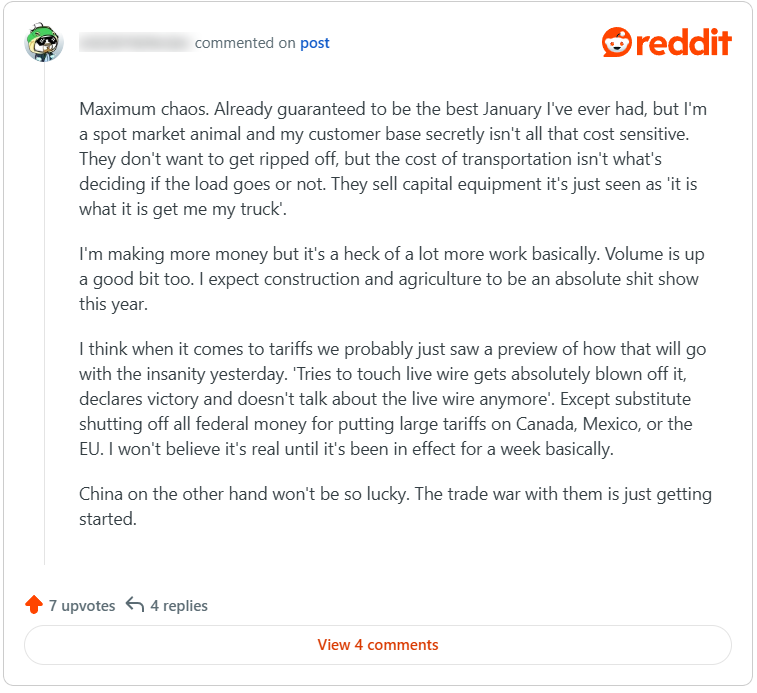
The chaos is creating both challenges and opportunities, with brokers reporting rate fluctuations and volume shifts depending on the lane.
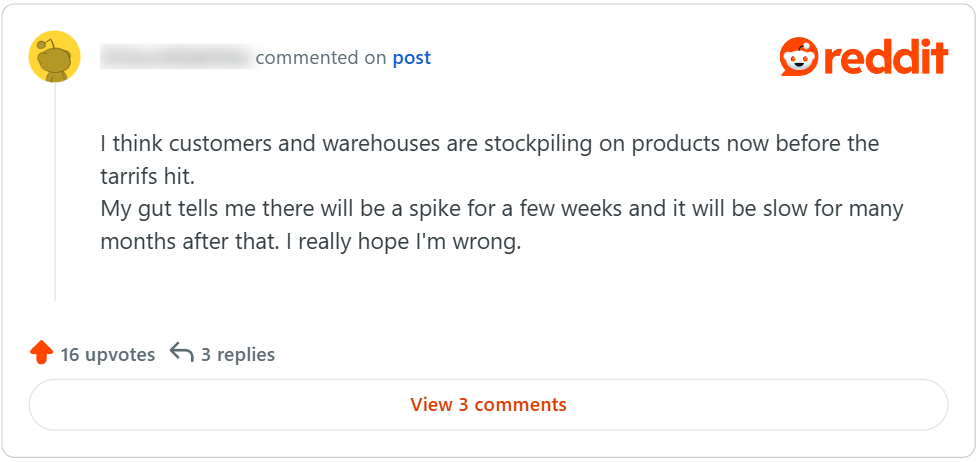
And while some believe the market will eventually stabilize, others worry that inflation and retaliatory tariffs could drag the industry down.
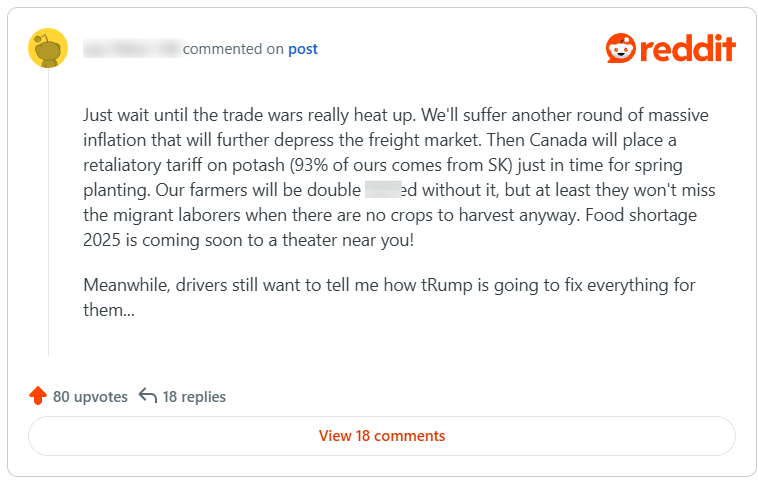
While it appears there’s some movement in key cross-border lanes, the overall freight market remains uncertain, with many speculating that tariffs will trigger another round of inflation that could further depress freight demand.
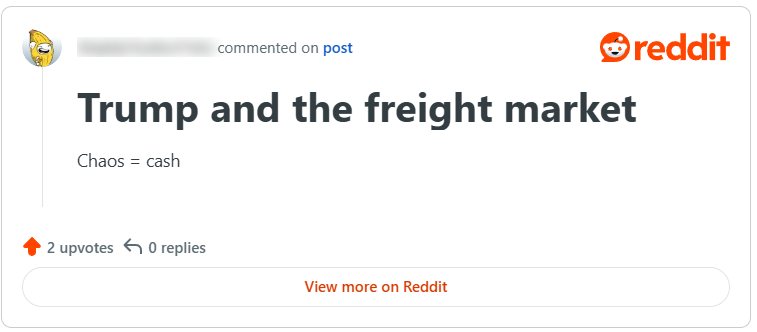
One user sums up the optimistic mindset of some in the industry pretty easily:
Truckers and warehouses are feeling the immigration crackdown, with rumors of ICE activity at some Chicago carriers and dairy farms in Wisconsin shutting down due to missing workers.
Meanwhile, border slowdowns are adding to the pain claim some on Reddit:
“Long lines at crossings, total mess at Laredo & McAllen.”
“Mass confusion at the ports & railways—funding got suspended, then blocked by a judge, then reinstated. Chaos.”
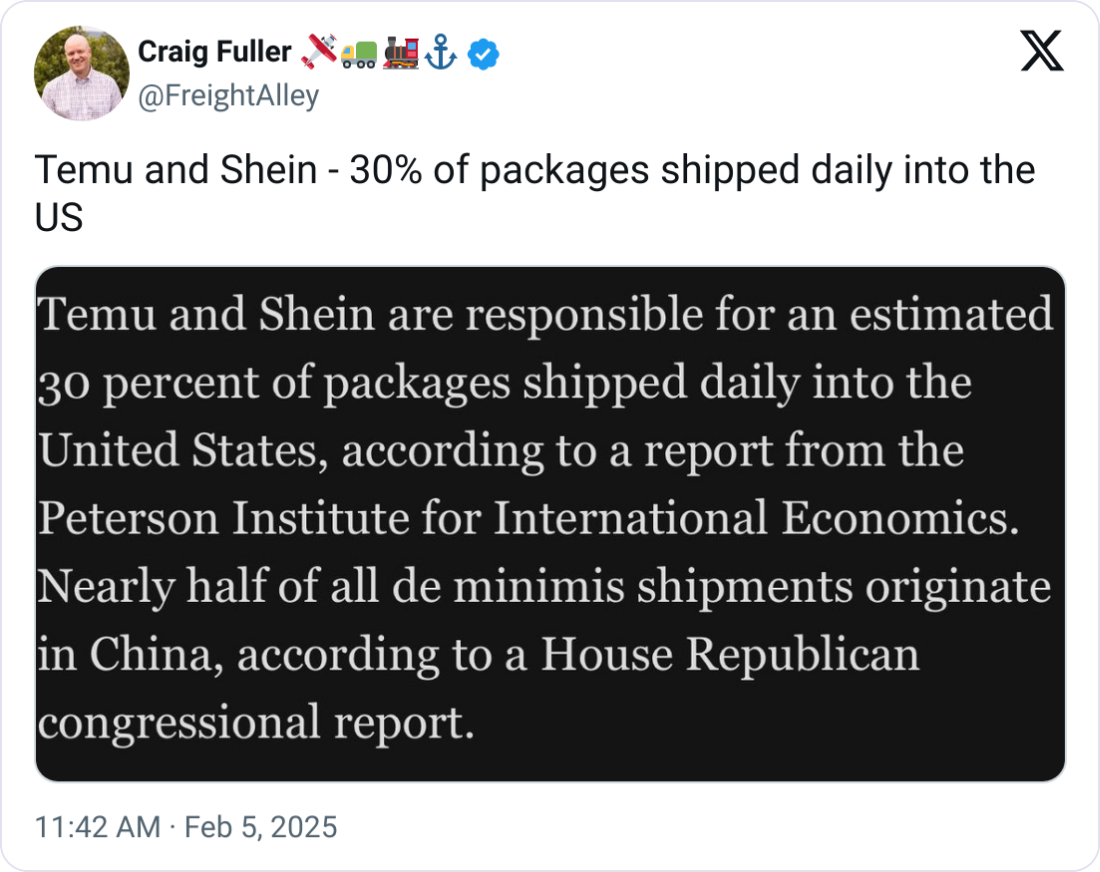
One of Trump’s biggest trade moves is ending the Section 321 exemption, which allowed goods under $800 to enter tariff-free if shipped directly to consumers.
This loophole fueled a massive industry of cross-border e-commerce, with companies routing shipments through Canada and Mexico to avoid duties.
Now, every product of Chinese origin is tariffed.
Some truckers and warehouse operators are watching for layoffs at fulfillment hubs near major crossings as volumes drop and rerouting begins.
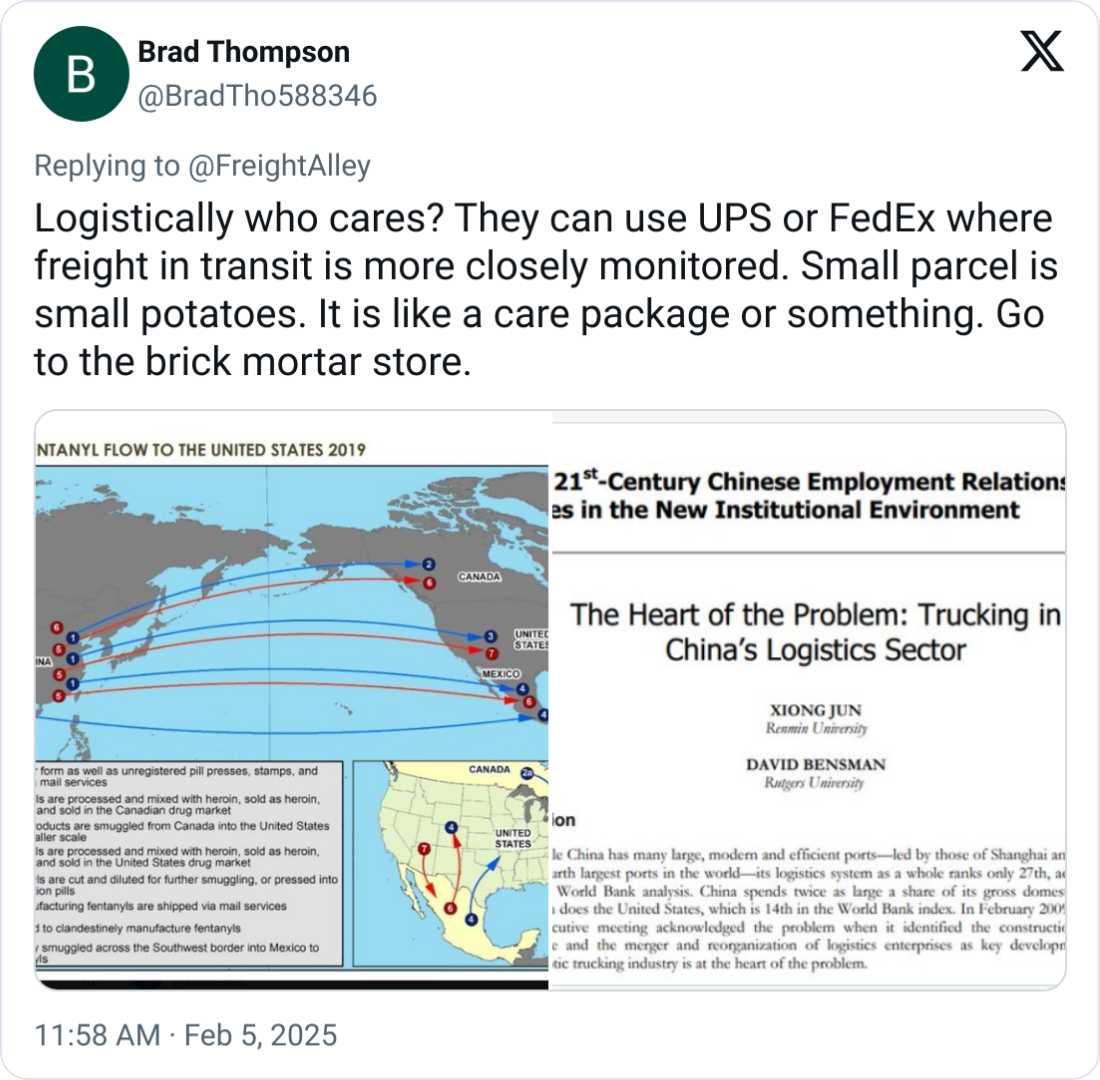
On X, reactions were mixed:
"USPS has been delivering Chinese parcels at a loss for years. About time this got fixed."
BROUGHT TO YOU BY HAPPYROBOT

Are all of your reps taking perfect notes for every call? Probably not.
HappyRobot’s AI workers make sure every inbound call is answered, and every check call is made. In each of those conversations, all of the necessary questions are asked, and notes logged back into your systems.
With all of this additional data, you can better update clients about shipment changes, understand demand, better negotiate rates, and so much more.
HappyRobot is AI communication–built for logistics.
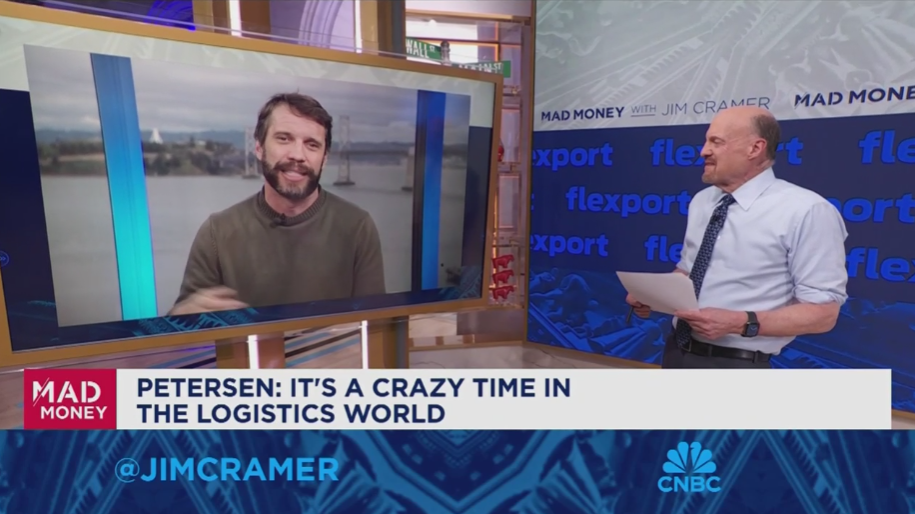
Flexport CEO Ryan Petersen says that uncertainty is the biggest challenge for shippers right now.
“It’s very hard to plan a supply chain when it’s changing day to day.” – Flexport CEO, CNBC
With tariffs announced, paused, and modified in rapid succession, importers are rushing to move goods before new duties take effect.
Petersen also pointed out that Trump’s rollback of the de minimis exemption is a “big change,” impacting not just Chinese retailers like Temu and Shein, but also U.S. e-commerce brands.
Some unexpected ripple effects could also emerge:
The breakneck pace of these policy shifts is making long-term planning nearly impossible.
Normally an afterthought in logistics, customs brokers are suddenly in high demand as importers scramble for tariff workarounds, compliance strategies, and emergency cost assessments.
“I’ve been getting emails, calls, and texts nonstop. ‘How can I cross my shipments without paying tariffs?’” – JD Gonzalez, Customers Broker based in Laredo
With new tariffs announced before formal government rules were published, brokers have been left scrambling for clarity.
“The ability to pivot quickly is very challenging when these changes are happening last minute.” – Brian Barber, Customs Broker at Willson International
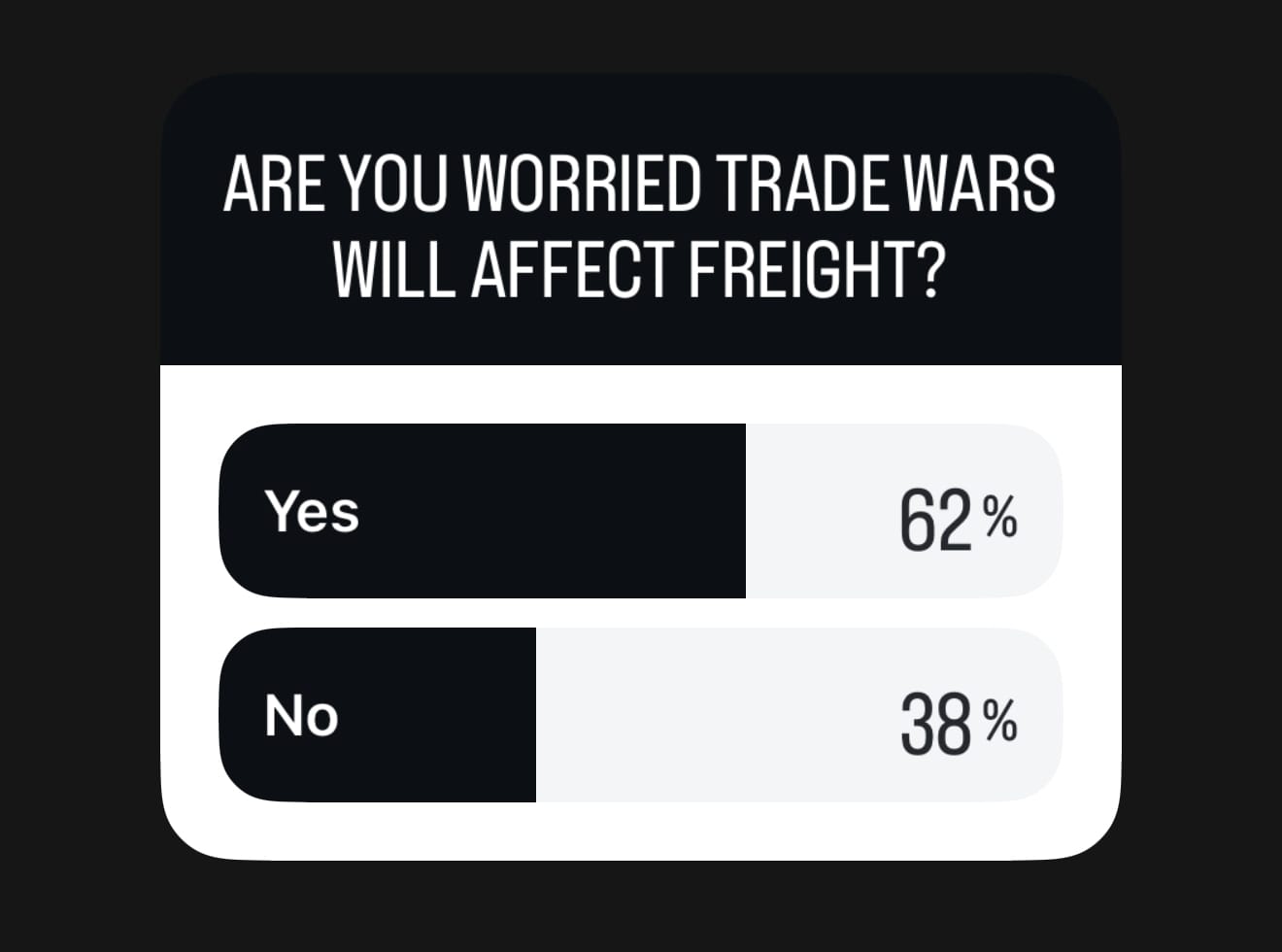
A quick FreightCaviar Instagram poll found that 62% of respondents are worried about trade wars impacting freight.
One user pointed to cross-border capacity already tightening, saying, "It's going to get worse." While another simply states this "will help freight."
While many in freight are bracing for major disruptions, some believe this is just another round of Trump’s tariff brinkmanship.
Some truckers are betting against long-term damage, calling the tariff panic an overreaction.
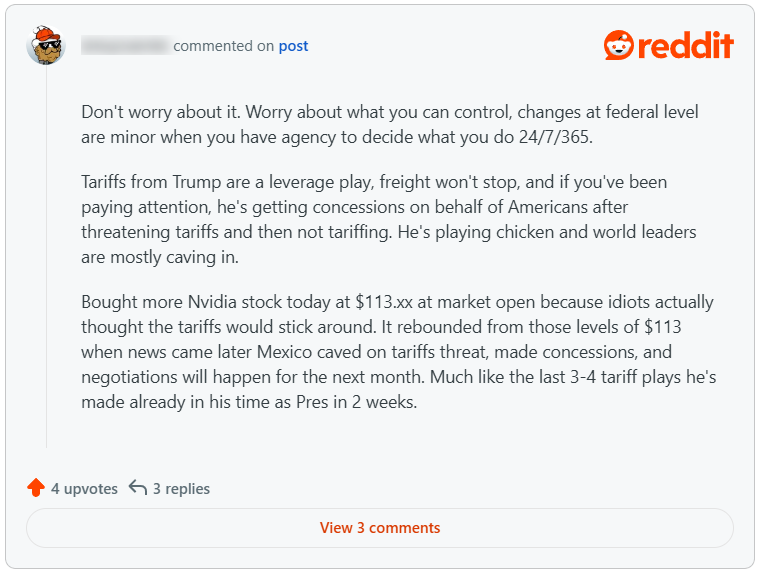
The uncertainty is surely high, but many in the industry expect more shifts, rollbacks, and adjustments as the situation evolves.
Want to explore these conversations more? Here's where you can find them:
Together With Epay Manager
Epay Manager is today’s premier option for brokers to elevate their back-office through best-in-class automation, audit, and payments.
Epay’s focus on continuous innovation has established the platform as the most configurable back-office tool in the industry today. Audit load documents, resolve exceptions, and automate payments – in 3 clicks or less!
FREIGHT MEME OF THE DAY
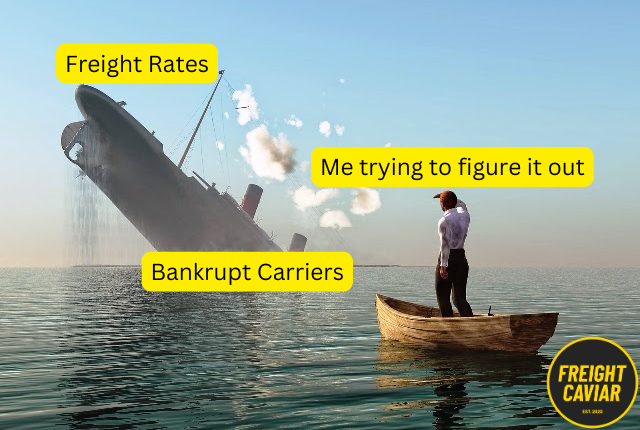

Plus, C.H. Robinson's 2026 rate forecast update, Hormuz tankers still stuck, a $1M LEGO heist, and more.

Technology is how you survive. Expanding into niches is how you become impossible to replace.

The March LMI reads like 2022 with prices at a 4-year high. Plus: warehouse arson in California, Mexico's trucker strike enters day three, and broker margins are still underwater.

“I used to hate a freight broker. All they're trying to do is take my money. That was the attitude… until you realize that if there's a load of freight, whether it’s intermodal, brokerage, or assets, the load is going to go the way it’s supposed to go. You can fight it, but you’ll go broke.”
Join over 14K+ subscribers to get the latest freight news and entertainment directly in your inbox for free. Subscribe & be sure to check your inbox to confirm (and your spam folder just in case).