
Newsletters
🎣 AI Boom. Freight Waiting.
Plus, C.H. Robinson's 2026 rate forecast update, Hormuz tankers still stuck, a $1M LEGO heist, and more.
Plus, C.H. Robinson's 2026 rate forecast update, Hormuz tankers still stuck, a $1M LEGO heist, and more.

Technology is how you survive. Expanding into niches is how you become impossible to replace.
The March LMI reads like 2022 with prices at a 4-year high. Plus: warehouse arson in California, Mexico's trucker strike enters day three, and broker margins are still underwater.
Here are three trucking companies built by immigrants chasing the American Dream

Happy New Year! Welcome back to the FreightCaviar newsletter. Today, we’re spotlighting three trucking companies that built their American Dream.
This newsletter feature was written by Ari Levy.
Stop wasting time searching for shippers—Shipper CRM (a FreightCaviar product) is the fastest way to find the shippers you should be working with.
Shipper CRM offers four key features:
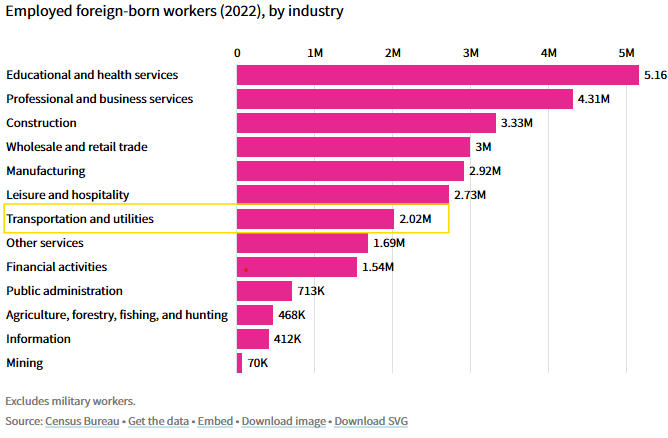
It's no secret that immigrant communities make up much of the logistics industry, especially trucking.
When I worked on the carrier side, I worked with several carriers from countries such as Serbia, Bosnia, Somalia, and Lithuania.
Many of us in freight get caught up in a crazy day-to-day and don't always get to ask our counterparts questions, such as, "What is your story?"
Today, we will share the stories of four individuals who have "Made it in America" while working in logistics.
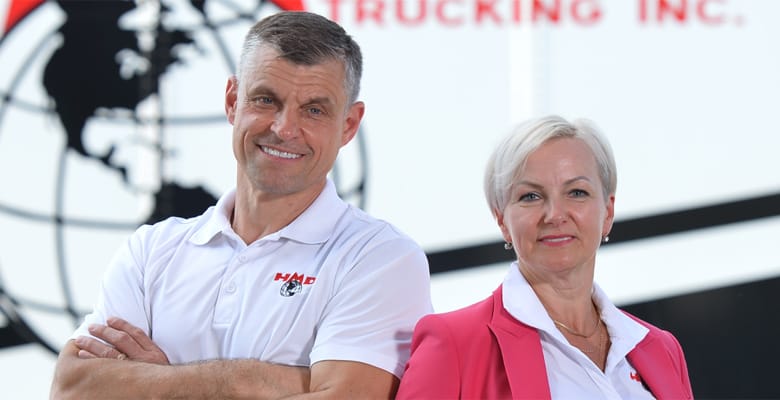
Henry Malukas, the Founder and CEO of HMD Trucking, was born in Telšiai, Lithuania (formerly U.S.S.R), on the other side of the Iron Curtain. He turned his humble beginnings into an extraordinary success story epitomizing the American Dream.
Henry started as a veterinarian on a farm, working from sunup to sundown.
"The days were long", he recalled.
In 1989, seeking new opportunities, Henry immigrated to the U.S. and worked as a carpenter at McCormick Place (I'm sure some of you readers have racked up detention on a trade show load there).
A coworker introduced him to trucking and within three months Henry had his CDL and was off on the road.
Two weeks later he received his first paycheck. He looked at the amount and said, "This is the American Dream."
"I could buy any type of food I wanted, I could buy anything for the house, I could take a hot shower. You have to understand, not all those things were guaranteed in the Soviet Union." Henry said.
Henry said he was so genuinely happy to be driving; he drove on the weekends for 10 years.
He eventually founded HMD Trucking, focusing on airfreight and growing from a single truck to a fleet of 80. The 2009 economic downturn nearly wiped him out, but Henry’s honesty and determination kept the business alive.
Today, HMD operates over 650 trucks and has diversified into ventures like HMD Motorsports.
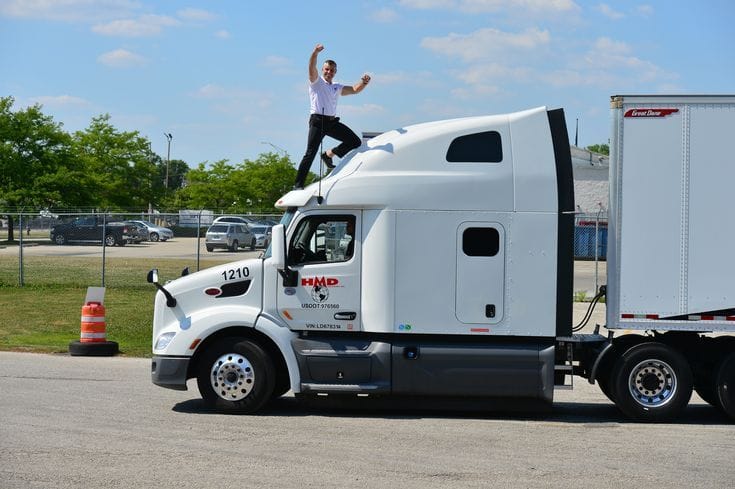

Denys Paniv was born in Ochakiv, Ukraine, and initially went to Ship Building School as an engineer.
Denys came to the United States in 2006, and moved to the Wisconsin Dells, the water park capital of the world.
He worked different jobs such as a Domino's delivery driver, at Subway, and at a bread factory loading trucks.
Like Henry, someone told Denys he could make good money as a truck driver.
Denys got his CDL and became a company driver for 3 years.
In 2011, Denys moved to Chicago with his wife and newborn. The cost of living in Chicago was not that of the Wisconsin Dells, and that is when Denys realized it was time to be his own boss.
Denys went out and got a truck and trailer and became an owner-op!
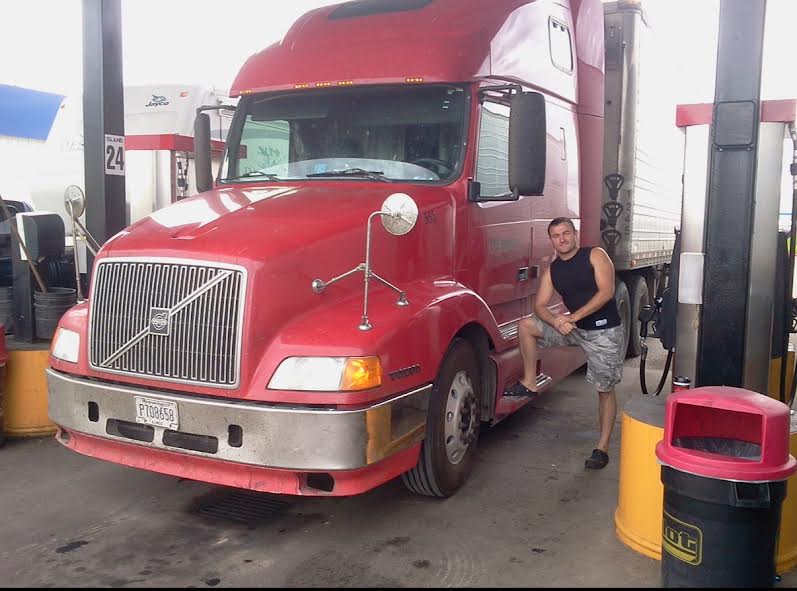
In 2017, he teamed up with Volodymyr Davydovych, whom he met at a truck stop, to launch Alvil Trucking. The company now boasts 300 trucks and 350 reefers.
“Pay isn’t always the most important thing. Communicating with drivers and treating them well makes a difference,” Denys said.
Beyond trucking, Denys runs a popular YouTube channel for Eastern European truckers, with 60k subscribers.


 Kaja Kusińska
Denys also added that "Partnership is important for company growth; the company today only is where it is because of partnership."

“The American Dream is having a chance to do whatever it is that you want to do. It merely depends on how badly you want it." – Denys Paniv
Sync Logistics Training is a training platform built specifically for the transportation industry.
Best-in-class brokerages make training a priority for a reason.

Andres and Adrian Garcia were born in Laredo, Texas. Third-generation in transportation, their family is from Mexico, where their paternal and maternal grandfathers drove semi trucks in Mexico in the 40s and 50s. Andres himself spent 12 years living in Monterrey, Mexico.
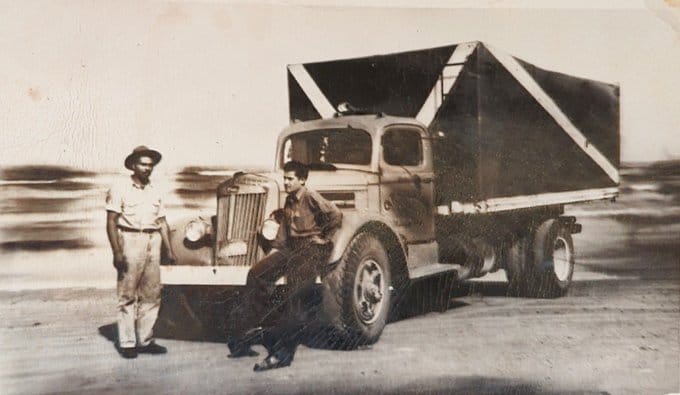
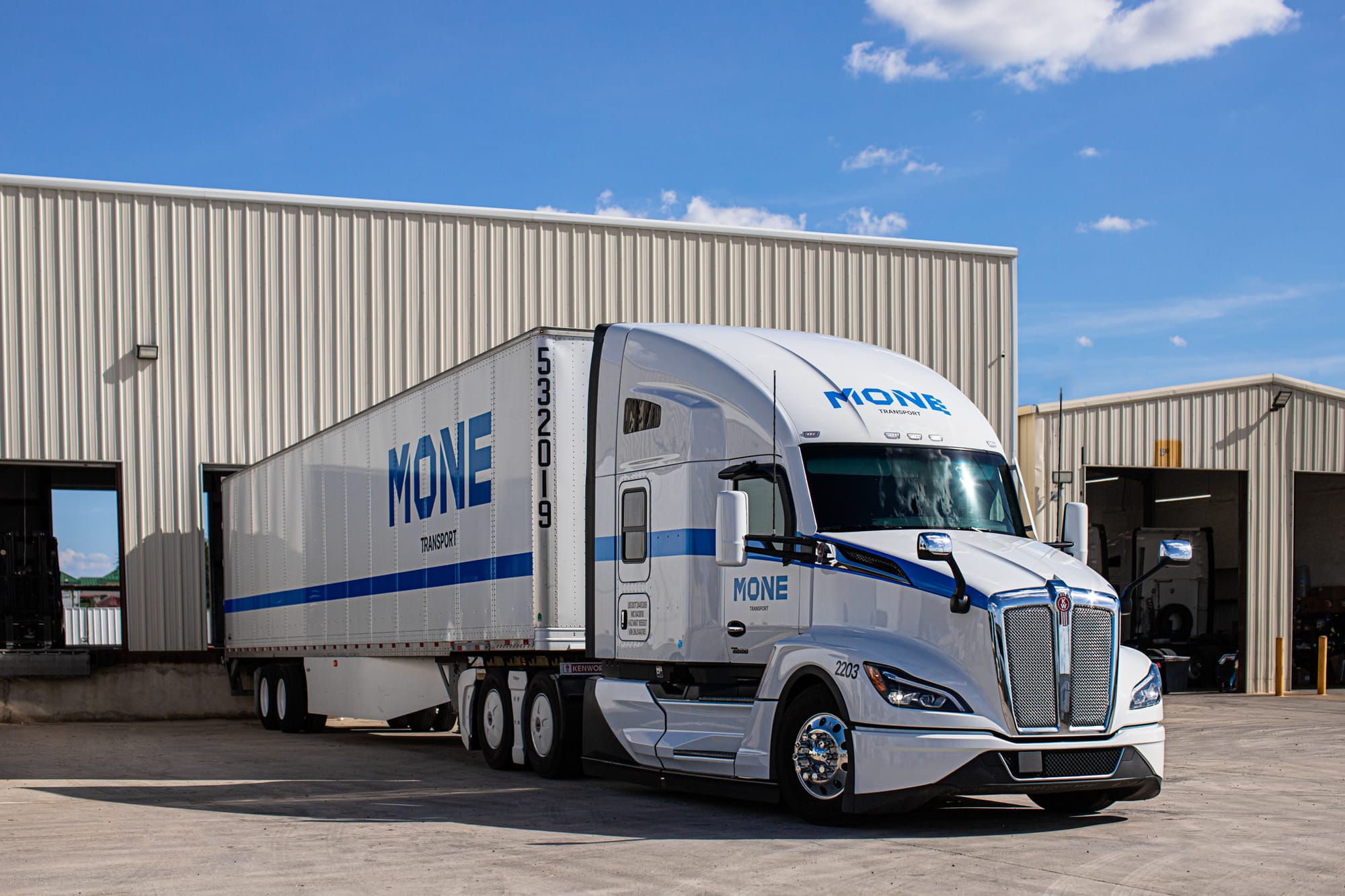
Their father started Mone Transport in 2014, a door-to-door carrier between Mexico and the U.S.
Andres spearheaded the company’s growth from 6 to 105 trucks by taking calculated financial risks despite his parents’ conservative business mindset.
"I insisted that we be buying 10 trucks a year [rather than just two]. We had a heated argument at least once a year about growth." Andres told me. He also explained their business outlook:
"One thing our grandpa taught us was to be honest and do the right thing. In the United States, there are a lot of rules and regulations. In Mexico, your handshake means everything. He would loan money to people with a handshake. And that has carried over into our business today."
Meanwhile, Adrian embraced technology early, helping Mone adopt ELDs before they were mandatory. In 2020, he launched Gatego, a yard management system designed to automate outdated processes like pen-and-paper logging.
"The issue we saw was a smart truck but a dumb yard. You can have an electric and self-driving truck roll up to a yard but a guard was still using pen and paper to keep track of it. We wanted to automate the yard."
 Grace Sharkey
Adrian also brought on Happy Robot, making them one of the company’s first customers, and in 2017, Mone made a bold investment in Tesla electric trucks—though they’re still waiting on delivery.
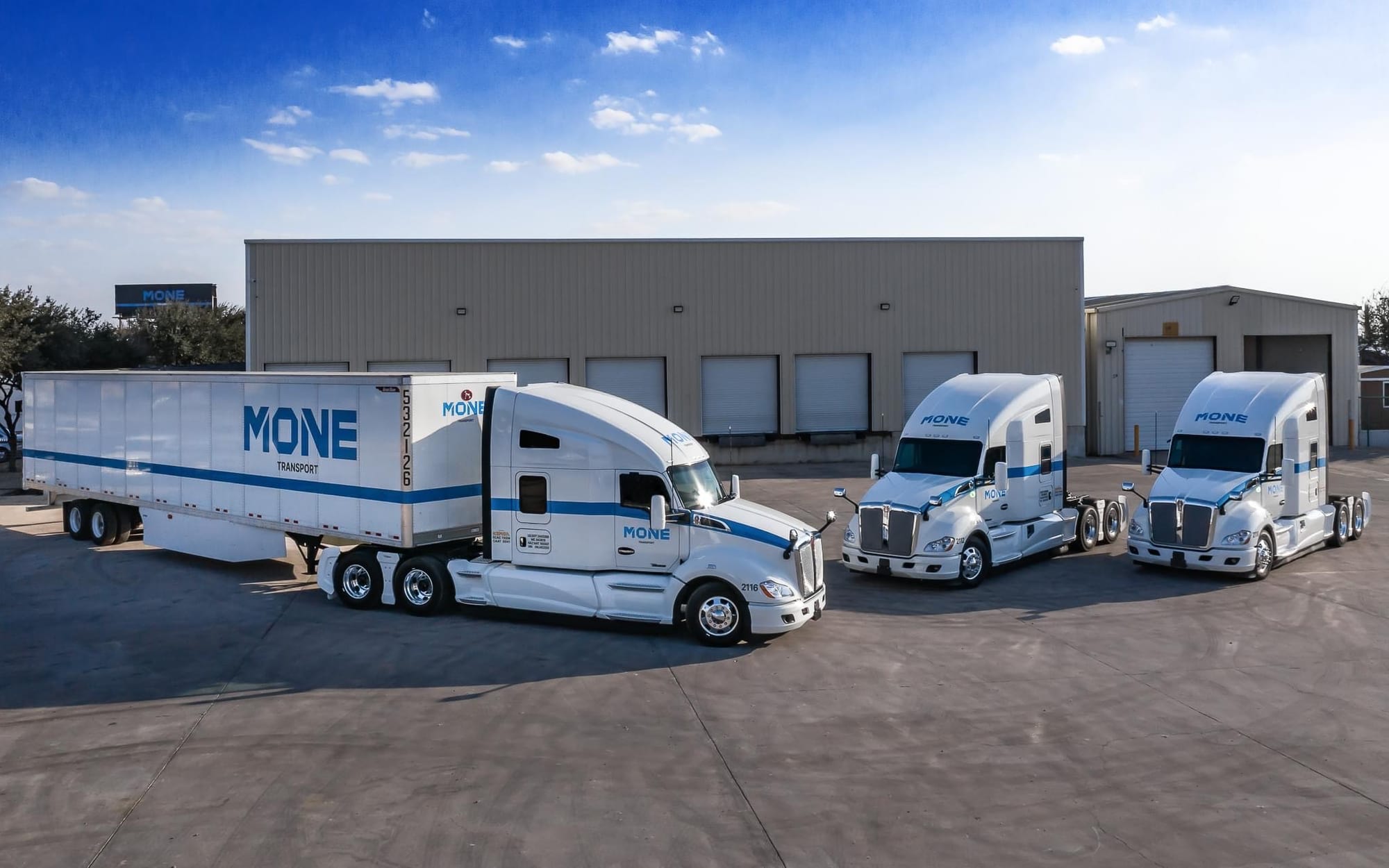
“The American Dream is arriving with no clue and doing something bigger than yourself,” – Andres Garcia
From the road to the boardroom, these stories highlight how determination and innovation can drive success. Who inspires you in freight? Let us know!
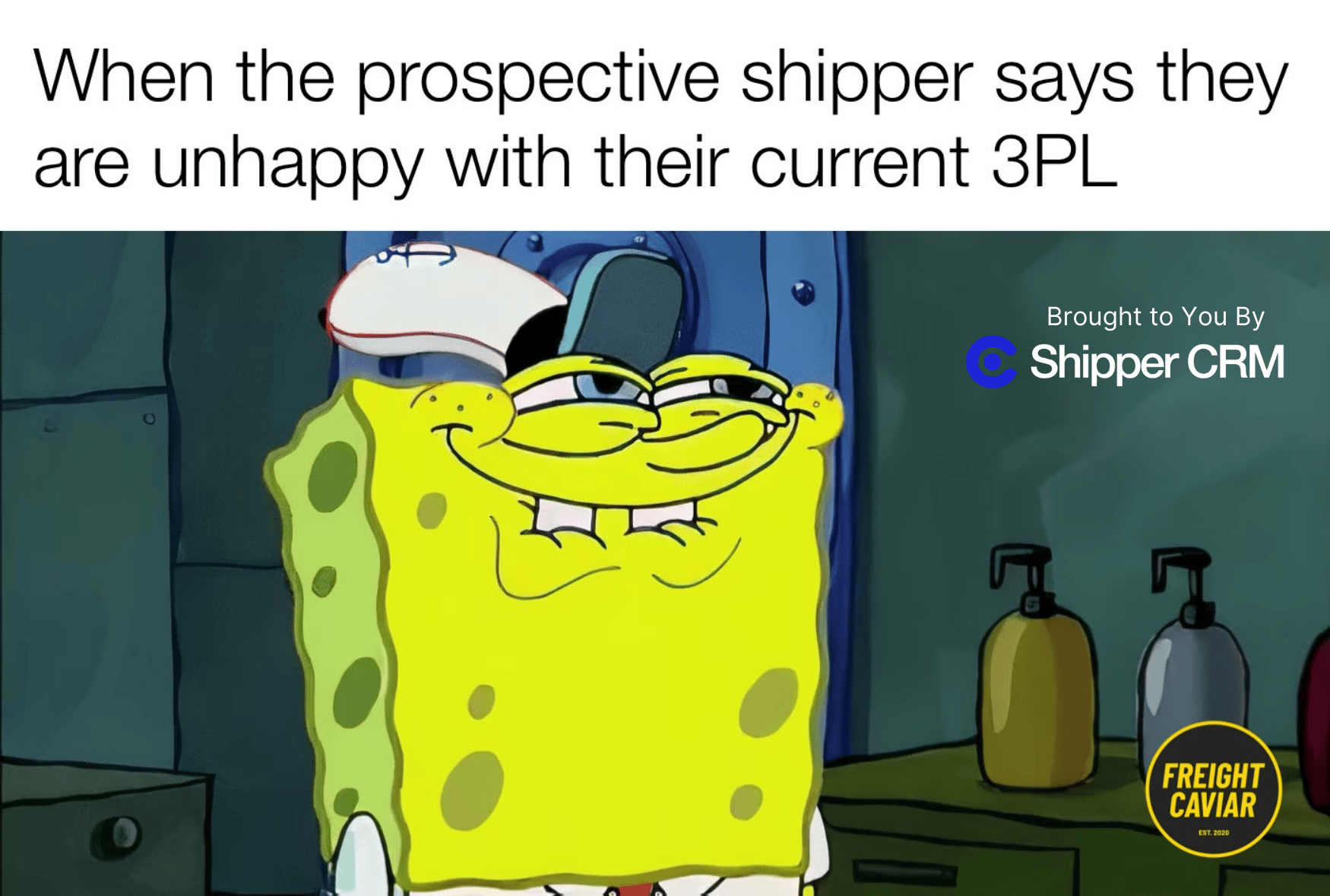
FREIGHT MEME OF THE DAY

Plus, C.H. Robinson's 2026 rate forecast update, Hormuz tankers still stuck, a $1M LEGO heist, and more.

Technology is how you survive. Expanding into niches is how you become impossible to replace.

The March LMI reads like 2022 with prices at a 4-year high. Plus: warehouse arson in California, Mexico's trucker strike enters day three, and broker margins are still underwater.

“I used to hate a freight broker. All they're trying to do is take my money. That was the attitude… until you realize that if there's a load of freight, whether it’s intermodal, brokerage, or assets, the load is going to go the way it’s supposed to go. You can fight it, but you’ll go broke.”
Join over 14K+ subscribers to get the latest freight news and entertainment directly in your inbox for free. Subscribe & be sure to check your inbox to confirm (and your spam folder just in case).