TGIF. Credit stress is spreading in freight. BMO’s Q4 data shows rising impairments and a shrinking trucking portfolio.Today's feature breaks down what this credit squeeze means for brokers heading into 2026.
Plus:
Brokerage Activity Drops Again
FBI Taps TIA for Fraud Intel
Legal Friction Drives Up Trucking Costs
📢
Last Chance. Subscribe by TONIGHT and get the first print issue of FreightCaviar for free. Join 150+ brokers already getting it.
Today's Newsletter Is Brought To You By CloneOps.ai
🍳What's Cookin' In Freight
"After the first slight expansion in two years, active freight brokerage turned negative again in November 2025. Not by much though with a net loss of only 36 brokerages." Source: Kevin Hill/LinkedIn
📉 Freight Brokerage Count Slipped Again in November. Kevin Hill of Brush Pass Research says active brokerages fell by 36 last month, the second consecutive drop. The wild 5-year growth swings of the past, from the 2014 bond purge to the pandemic surge peaking at 70% in 2022, have cooled to a modest 6.9% today. Most long-term comps remain negative: -2.5% YoY, -13.8% over 2 years, and -19.1% over 3 years. Since July, monthly changes have been mostly flat, and 2025 shows a net decline of just 390 brokerages. A slow, grinding reset continues.
🛡️ TIA to Pipeline Freight Fraud Intel to FBI. The Transportation Intermediaries Association (TIA) is creating a unified reporting channel to funnel truckload theft and freight-fraud data directly to the FBI, aiming to counter what executives call an unprecedented surge in organized criminal activity targeting brokers and carriers. TIA says members routinely face double-brokering rings, stolen identities, and coordinated cargo theft schemes, but lack a centralized way to escalate cases. The new initiative will aggregate verified incident data, patterns, and financial losses, giving federal investigators a clearer picture of national fraud networks. With fraud accelerating across the spot market, TIA says brokers need a stronger, faster path to law-enforcement action.
⚖️ ATRI Flags Litigation Surge Squeezing Trucking Costs. A new ATRI report warns that lawsuit abuse is becoming a major financial drag on trucking, with tort cases rising nearly 4% annually and nuclear verdicts inflating operating costs across the supply chain. ATRI found 44% growth in damage awards, driven by claims tied to hiring practices, safety documentation, and even data generated by onboard tech, information that can be weaponized against carriers despite improving safety. ATRI says excessive litigation is diverting resources that should support operations and driver safety. ATA echoed the alarm, calling for legal reforms as third-party litigation funding fuels bigger awards and higher insurance and freight costs.
Impaired loans are rising, allowances are rising, and net write-offs are ticking up.
We’ve been waiting for the "blood in the water" to dry up excess capacity. BMO Transportation Financeconfirms it’s happening: trucking credit metrics are sliding, and their book of business is shrinking.
By The Numbers:
BMO: Loan performance is deteriorating as the carrier base actively contracts.
CRST: The mega-fleet is restructuring and redeploying its OTR division. When giants shrink their OTR footprint, the market floor is rising.
RXO: Even big brokers feel the strain; credit outlooks are shifting as the market bottoms out.
The Exception:Old Dominion continues to improve yields despite lower volumes, proving LTL discipline remains an outlier in a chaotic TL market.
Dive Into BMO
What is it?BMO Transportation Finance (formerly the transportation finance unit of GE Capital) is a dominant lender to the North American trucking industry.
Why it matters: Their portfolio is approximately 90% trucking company clients. Unlike general indices, BMO’s books represent the raw financial health of the actual asset owners.
For brokers and carriers, this matters more than it may seem. When lenders get skittish, cash gets tighter, borrowing costs rise, and even healthy operators end up squeezed.
The "Red Flag" Data:
John Kingston: “The chart tells the story: no signs of improvement across-the-board. The book of business is getting smaller.”
The Pullback: BMO's book of business has shrunk to $13 billion—the lowest level in four years. The bank is actively reducing exposure to trucking.
The Distress: Gross impaired loans (loans where collection is doubtful) surged to $585 million in Q4, a massive jump from $424 million in Q3.
The Trend: Allowances for credit losses hit an all-time high of $71 million, an 887% increase since the post-freight-boom days of 2022.
Higher impairments + higher allowances + loan book contraction = lenders are preparing for more trouble and tightening credit exposure to trucking.
Banks are turning off the capital tap. Without credit, struggling carriers can no longer survive on cash flow alone. This financial "flush" is painful, but it is the necessary mechanism to tighten capacity and stabilize rates as we head into 2026.
RXO: Subtle Credit Outlook Shift
A new SimplyWall.st breakdown of RXO highlights weakening credit ratios and softer interest coverage, nothing catastrophic, but a sign that investors expect a tougher financial environment for brokerages heading into 2026.
CRST: Fleet Redeployments
CRST is redeploying part of its OTR fleet as part of a broader restructuring. This move is a direct response to the market's current supply/demand imbalance.
Craig Fuller even issued a correction and apology to CRST over earlier reporting, underscoring just how sensitive the industry is to any hint of financial stress.
Even the Strongest Carriers Feel It
Old Dominion posted another bump in yields, but even they couldn’t escape volume softness. When the most disciplined carrier in LTL can’t grow tonnage, it’s a sign the freight market’s foundation is still shaky.
The Big Picture
Put it all together, and a pattern emerges:
Credit is tightening
Balance sheets matter more than ever
Restructuring is spreading
Even top performers aren’t immune
The operators who enter 2026 with clean books, controlled costs, and steady cash flow will be the ones who actually benefit when demand rebounds.
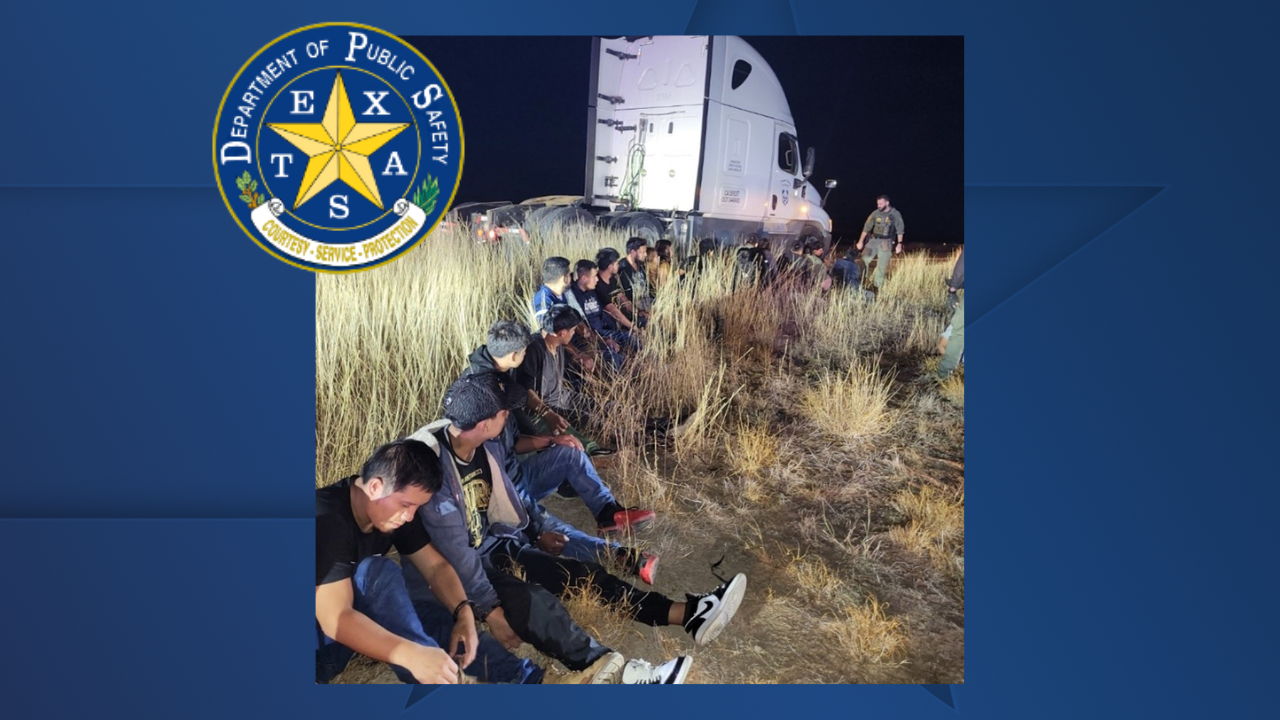
🚨 DPS Discovery. Texas DPS found 23 people stowed away in a sleeper berth after stopping a semi whose driver lacked a CDL; the truck was seized, and the driver detained.
📝 English Violations. FMCSA data shows English-proficiency violations persist, but carriers aren’t being shut down because most infractions fall on individual drivers rather than rising to out-of-service thresholds.
⚖️ Liability Spike. ATRI found pre-crash negligence, like poor maintenance or inadequate hiring, can triple a trucking company’s liability exposure in post-crash litigation.
🚫 No Booting. A new North Carolina law makes booting commercial vehicles illegal, banning private companies from immobilizing trucks over parking disputes.
💳 Payment Automation. Sunnybrook TMS and Tank Payments launched an integrated payment system that automates carrier settlements and reduces manual processing for freight brokers.
📈 Used Sales Up. Used Class 8 truck sales posted a fifth straight year-over-year gain, reflecting demand for lower-cost equipment amid tight budgets and delayed new-truck purchases.
🎣 THE FREIGHT CAVIAR CORNER
FreightCaviar Podcast: Everest-Simple CEO David Radom joins us to talk scaling, market flips, and smarter brokerage strategy. Catch the episode on YouTube, Spotify, orApple Podcasts.
Manifest 2026: We're proud to be an Official Partner of Manifest: The Future of Supply Chain & Logistics conference, the premier event shaping what's next in freight and logistics. Save $200 on the current price with our link.
I’m Adriana, a writer and editor at FreightCaviar. I’ve covered everything from freight tech to industry lawsuits and market shifts, helping scale us to almost 14K subscribers. My goal: to make logistics stories digestible, clear, and fun to read.
Hello! I'm Jerome FreightCaviar! I’m into the politics of freight and the impact it will have worldwide. I'm always eager to learn more. Follow me on X @JeromeFreightC
Congress is moving to put driverless 80,000-lb trucks on public roads. Plus: 13,000 California CDLs get cancelled, diesel hits a 32-year record, Florida wants $50K to get your truck back, and more.
Keep up with the freight broker world in 5 minutes.
Join over 14K+ subscribers to get the latest freight news and entertainment directly in your inbox for free. Subscribe & be sure to check your inbox to confirm (and your spam folder just in case).