Two bills just dropped in the Senate that could reshape trucking faster than anything since deregulation. Plus: Russian hackers targeted your load board, flatbed rejection rates just hit 40%, and a robot is taking the Houston-Dallas overnight run.
This week: The Dalilah Law, a trucking bankruptcy that wiped out thousands overnight, a FreightGuard civil war on Reddit, and the payroll data that's predicting Q4 capacity.
Happy Hump Day. Cargo theft is more organized, more digital, and more lucrative than ever. From stolen Switch 2 consoles to spoofed dispatchers, today's feature unpacks how AI tools, insider gaps, and tariff confusion are fueling a billion-dollar crime wave.
Plus,
💵 Aurora Logs First Revenue as AV Freight Grows
⚖️ Lytx Pays $4.25M Over Trucker Facial Monitoring in IL
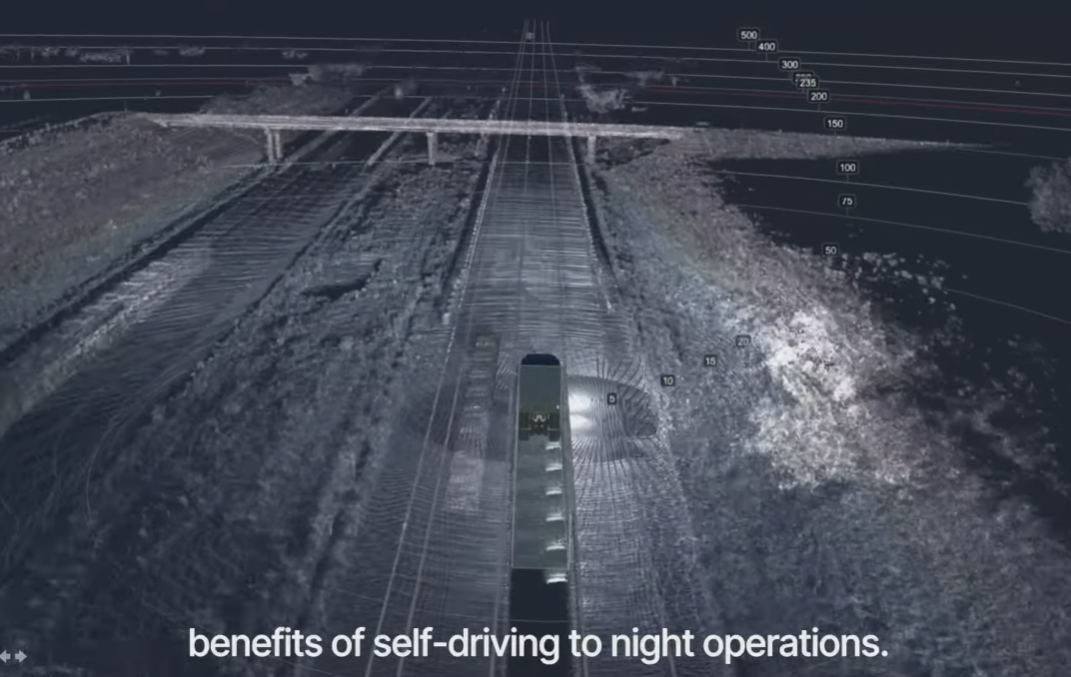
Nighttime Views: Aurora Driver utilizing First Light lidar with the ability to see objects over 450 meters away. Image Source: Aurora/YouTube
💵 Aurora Posts First Revenue as Driverless Freight Expands. Aurora Innovation reported its first quarterly revenue while sustaining steep losses, with a $201 million Q2 deficit contributing to $748 million in year‑to‑date losses. CEO Chris Urmson said, “Today, we’re no longer selling an idea, we’re delivering a real product.” The company has launched nighttime driverless operations on the Dallas–Houston corridor and added a Phoenix terminal. Its trucks have logged more than 20,000 miles since launch. While Paccar requested human observers remain onboard, Urmson emphasized that the Aurora Driver requires “no interventions.” Aurora aims for wide‑scale commercialization by 2027 as it continues testing with Volvo, Continental, and Nvidia.
⚖️ Lytx Settles Illinois Biometric Privacy Case for $4.25 Million. A federal judge approved a $4.25 million settlement resolving a class‑action suit alleging that Lytx’s in‑cab video system violated Illinois’ Biometric Information Privacy Act. About 3,599 drivers will receive between $631 and $845 each. Lytx maintains that its technology “does not collect retina or iris scans, facial geometry, or any type of biometric data.” The case, filed in 2021, claimed Lytx scanned drivers’ facial geometry for AI‑based monitoring. Although the settlement avoids trial, plaintiffs’ counsel noted the ruling reinforces that BIPA protections apply “regardless of whether biometric data is used for actual identification.”
📉 U.S. Trade Deficit Narrows Sharply to $60.2 Billion. The U.S. trade deficit fell 16% in June to $60.2 billion, its lowest since September 2023, as imports dropped 3.7%. Consumer goods imports hit their lowest since 2020, though capital equipment purchases rose. Net exports added 5 percentage points to Q2 GDP growth, with the economy expanding at a 3% annualized rate. Analysts said the shift followed earlier import surges ahead of tariff announcements. New reciprocal tariff rates took effect August 1, with further duties on semiconductors, pharmaceuticals, and critical minerals expected soon. Deficits with China, Mexico, and Canada all narrowed, reflecting shifting global trade patterns amid policy uncertainty.
The Heist Is Now AI-Powered: How Crime Rings Are Using Market Chaos to Steal Your Freight
Image Source: Overhaul
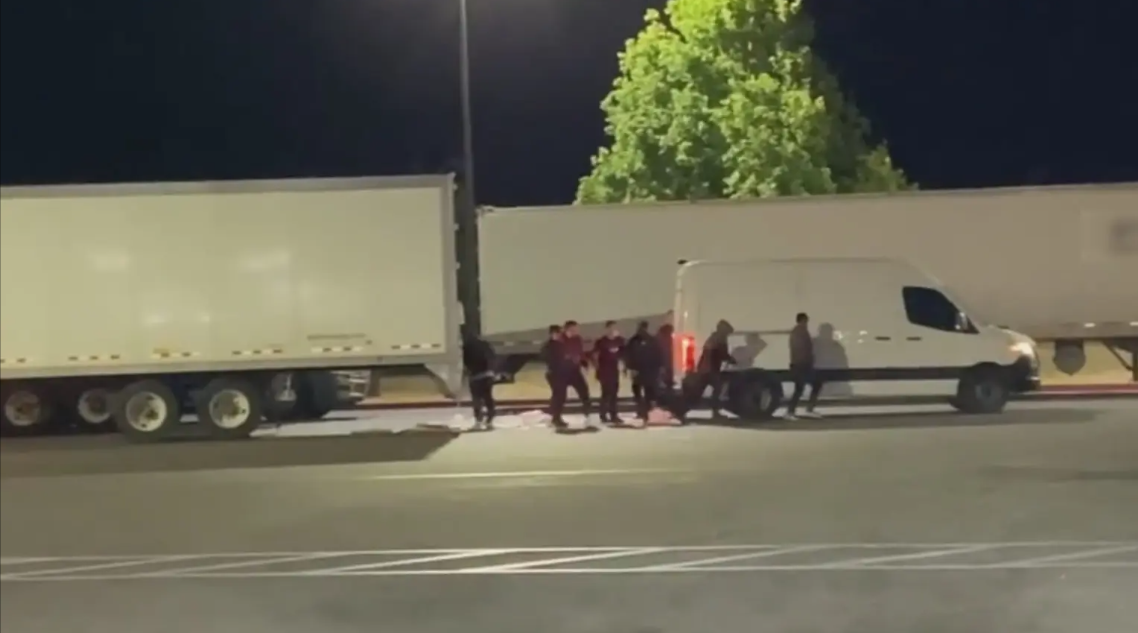
Freight theft in 2025 is an estimated billion-dollar crisis fueling global crime and hiking consumers' shopping bills. Cargo theft has evolved from opportunistic grabs to highly coordinated, data-driven operations that mimic sophisticated cyberattacks. Reported losses in Q2 2025 totaled $61 million alone.
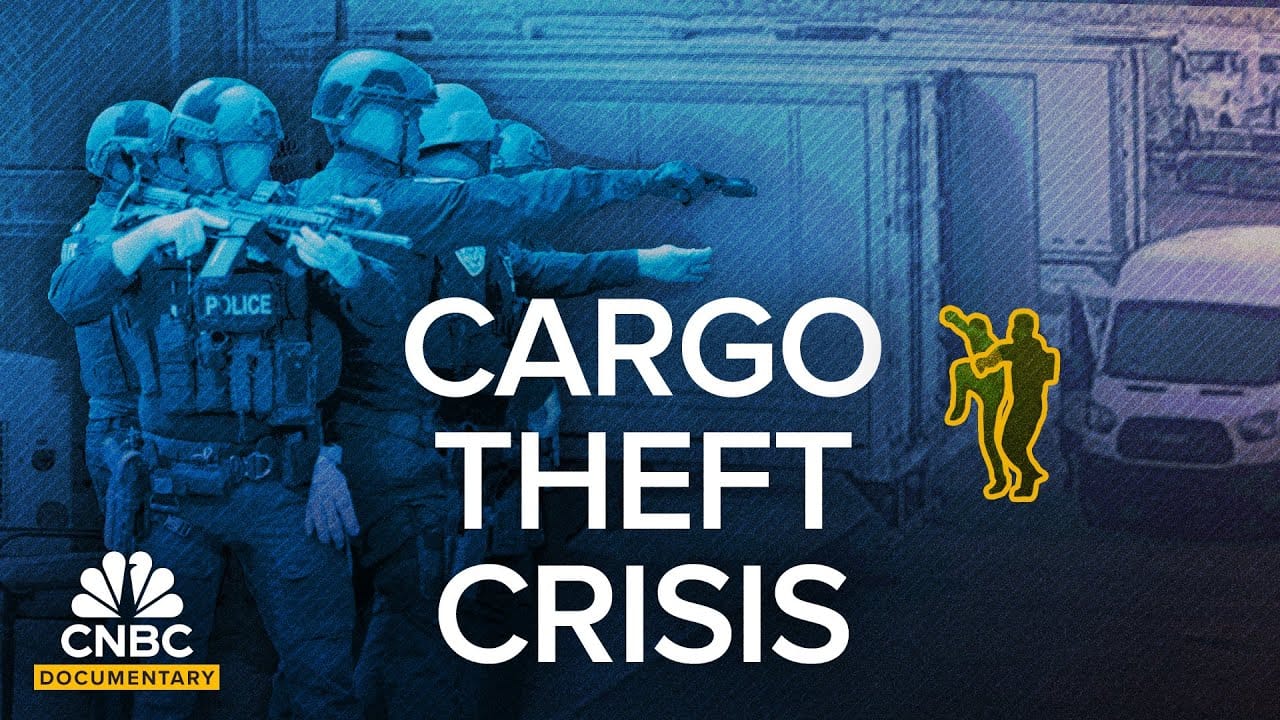
FreightCaviar recently sat down with Ilan Gluck, GM at GearTrack, and discussed their Cargo Security Index and alarming cargo theft trends. That, plus a chilling CNBC investigation, reveals what headlines only hint at: this is the worst freight theft wave in modern U.S. history.
The proof is in the pallets.
In a brazen heist this June, thieves made off with a trailer load of 2,810 unreleased Nintendo Switch 2 consoles, valued at $1.4 million. The trailer was parked in Colorado, and the theft had the precision of an inside job, likely orchestrated using insider information or by hacking digital freight systems.
This isn’t a one-off. From a $15 million haul of Apple products and semiconductors in Nevada to a string of heists targeting Nike sneakers on BNSF trains, the targets are getting bigger and the methods smarter.
The Thief’s New Playbook: AI and Spoofed Dispatchers
"The level of sophistication in cargo theft is mimicking the level of sophistication in cyber attacks, in both its precision and its planning...If I'm a supply chain leader, the growth of AI tools is keeping me up at night." – Ilan Gluck, General Manager, GearTrack
Modern cargo theft rings now:
Scrape TMS systems and load boards for shipment data
Use voice AI to spoof dispatchers and brokers
Exploit fragmented visibility between systems
"Drivers think they’re talking to dispatch… but it’s a bot," Gluck explains. Criminals now exploit the very tech meant to protect supply chains.
A Historic Surge in Strategic Theft
According to the CNBC report, thefts are happening at an unprecedented scale:
3,798 reported incidents in 2024 — up 26% YoY
True annual losses: likely over $1 billion
Strategic fraud now accounts for ~33% of thefts, up from just 8% in 2020
Train thefts alone jumped 40%, with 65,000+ incidents
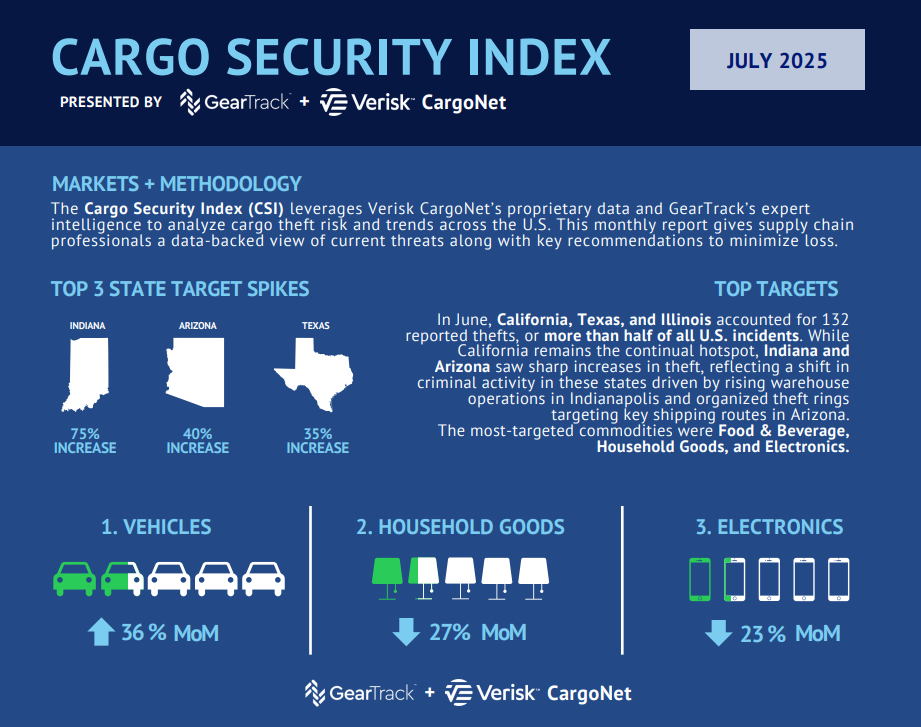
The July 2025 Cargo Security Index from GearTrack and Verisk CargoNet paints a grim picture of where the attacks are escalating.
State Hotspots: While California, Texas, and Illinois remain the top three states for theft, accounting for 132 incidents in June alone, other states are seeing alarming spikes. Indiana saw a 75% increase, Arizona a 40% increase, and Texas a 35% increase. This reflects a strategic shift by criminals targeting new warehouse hubs and key shipping routes.
Top Targets (MoM Growth): The most sought-after commodities seeing month-over-month theft increases are Vehicles (36%), Household Goods (27%), and Electronics (23%).
Tariff Chaos is a Thief’s Best Friend
According to Gluck, market uncertainty is a massive vulnerability. "Clarity on the tariff policy is making decision-making extremely difficult," he explains. "That chaos creates vulnerability".
Here’s how it works:
Freight surges as companies front-load high-value shipments.
Warehouses and yards overflow, turning into easy targets.
Shippers scramble to use unfamiliar carriers and nonstandard lanes, breaking patterns that anomaly detection relies on.
The Enemy Within?
While AI-powered heists grab headlines, internal threats remain a serious concern.
GearTrack flagged a suspicious iPhone shipment near a sort facility, leading police to an insider stash house. But Gluck says external system exploits are still the bigger threat.
“What we see more regularly is stuff that happens during the everyday movement of high-value goods. Not a cartel-style heist, but a gap in protocol.”
How To Fight Back
"The biggest thing that we stress is the need for asset-level visibility," Gluck states emphatically. "Truck-level visibility leaves too many gaps that can be exploited by the more sophisticated rings... especially for those high-value goods". He argues that "fragmented data will be the enemy of security," and urges companies to invest in unified cargo intelligence platforms.
On the federal level, lawmakers are stepping up.
The bipartisan Safeguarding Our Supply Chains Act aims to establish a Supply Chain Crime Coordination Center within Homeland Security and a new task force, backed by $100 million in funding through 2029.
The bottom line: Cargo theft is now a strategic, data-driven enterprise. To fight back, your security has to be even smarter.
TextLocate makes it easy for brokers to communicate directly with drivers via SMS-based text messaging—no app to download—without having to use personal communication devices.
Features like 2-way text chat, one-time location updates, and image capture (think BOLs and PODs) all inside a simple dashboard give brokers the quick updates they need to make better decisions about freight.
Instead of wasting time calling drivers, brokers simply automate the process through TextLocate and save hours at very little cost investment.
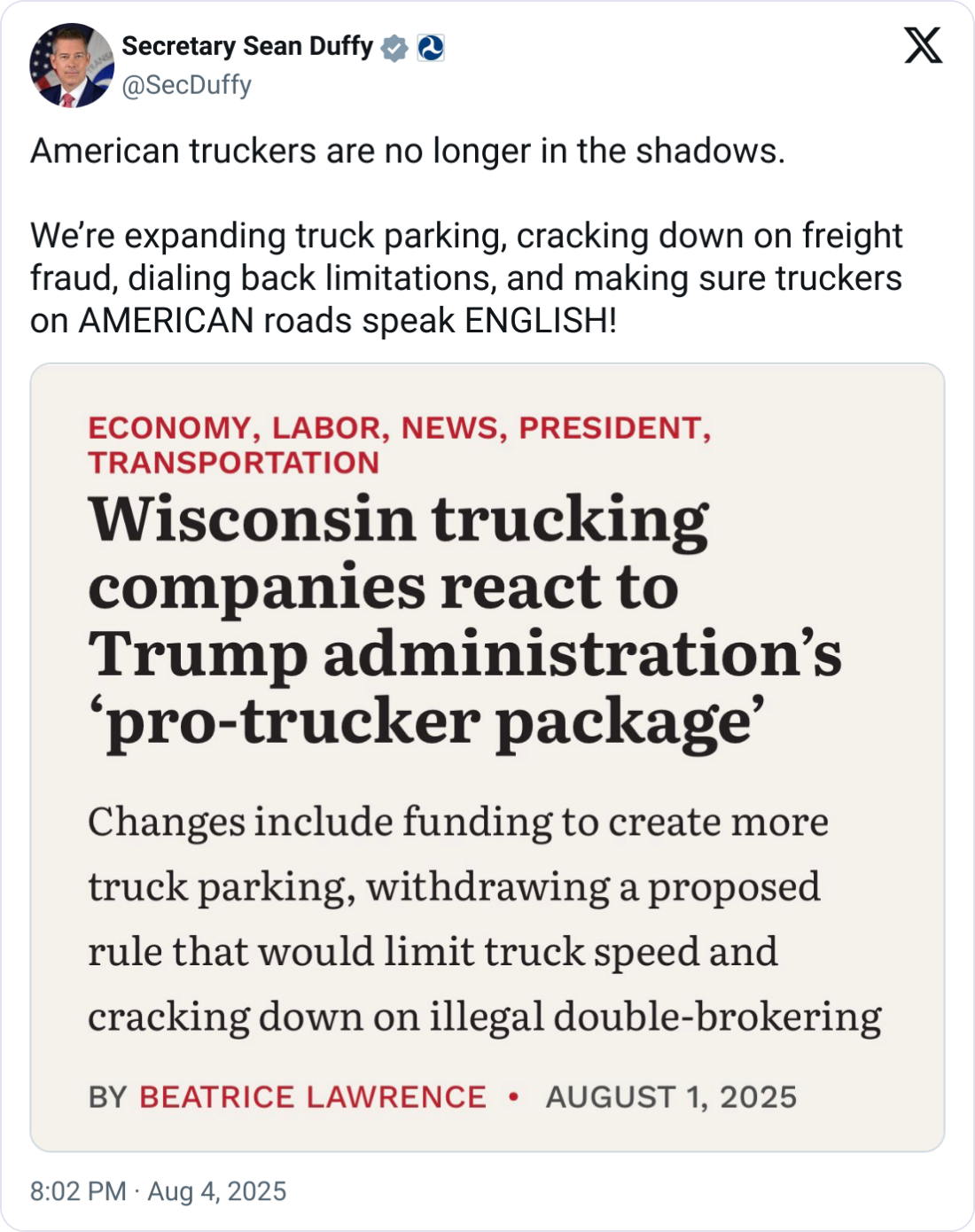
🏛 Duffy’s Pro-Trucker Plan. Drivers say DOT Secretary Duffy's proposals show D.C. is finally listening, offering more flexibility, ditching speed limiters, and respecting how truckers actually operate.
🎉 Kenco 75th Anniversary. Kenco Group marked its 75th anniversary at its Chattanooga, Tennessee headquarters, now employing over 7,500 staff across 140 North American locations.
📈 Capacity Index Rises. The Truckload Capacity Index showed an upward trend as major carriers began adding trucks cautiously, signaling recovery expectations even as demand remains soft and shippers retain leverage.
🧭 Intermodal Misaligned. The proposed Union Pacific–Norfolk Southern merger could jeopardize coast‑to‑coast service for major intermodal firms like J.B. Hunt, Schneider, and STG Logistics, requiring them to switch eastern rail partners.
⚖ Hair Test Controversy. Federal guidelines for hair follicle drug testing, mandated in 2015, remain delayed amid discrimination lawsuits and detection accuracy debates. Industry awaits action, still slated for 2025 implementation.
🎣 THE FREIGHT CAVIAR CORNER
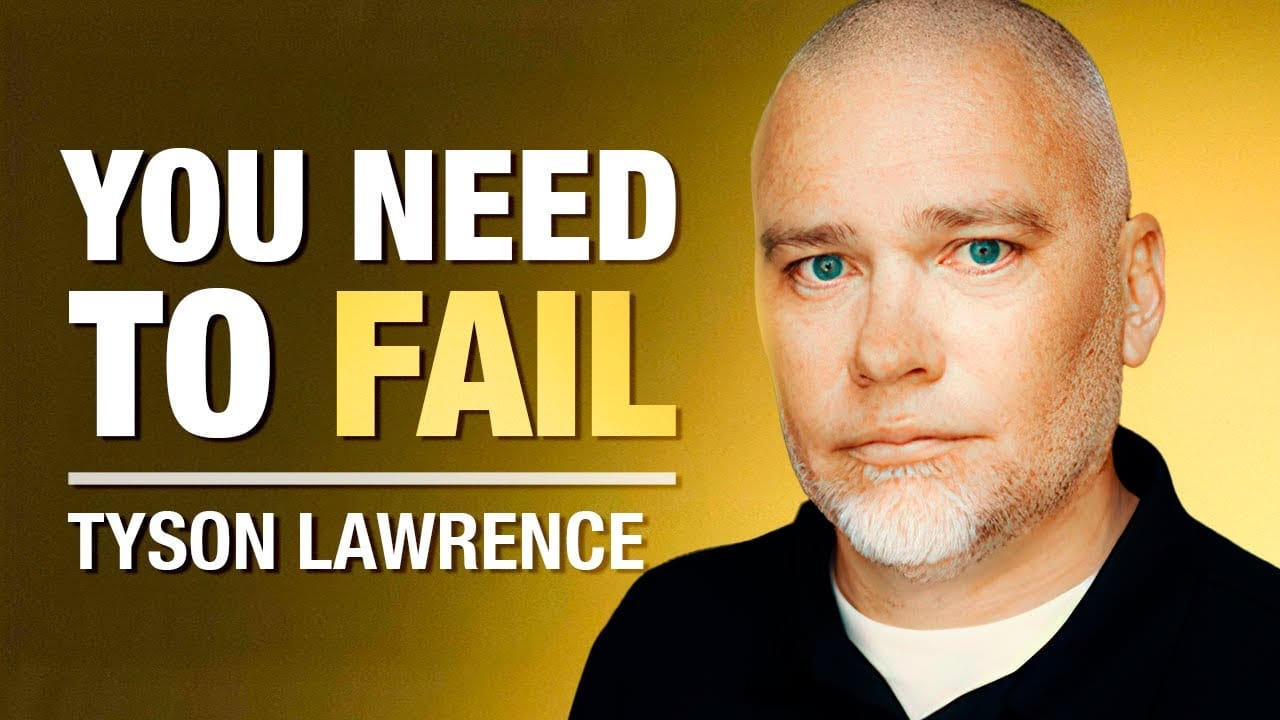
FreightCaviar Podcast: What happens when a freight broker quits to go to law school, but ends up building three logistics companies instead? Tyson Lawrence, CEO of Diablo Freight Ventures, joins us on the latest episode to discuss his journey. Catch it on YouTube, Spotify, or Apple Podcasts.
Manifest 2026: FreightCaviar community, tap into massive savings on Manifest 2026. Get registered now and save $1100 on your attendance price. Click here for the deal.
Freight Broker Group Chat: Lost a load to a ghost MC? Just discovered a 15-layer carrier spoof ring? Come swap war stories, drop memes, and ask the stuff no one wants to post on LinkedIn. Join us on forum.freightcaviar.com
I’m Adriana, a writer and editor at FreightCaviar. I’ve covered everything from freight tech to industry lawsuits and market shifts, helping scale us to almost 14K subscribers. My goal: to make logistics stories digestible, clear, and fun to read.
Hello! I'm Jerome FreightCaviar! I’m into the politics of freight and the impact it will have worldwide. I'm always eager to learn more. Follow me on X @JeromeFreightC
Two bills just dropped in the Senate that could reshape trucking faster than anything since deregulation. Plus: Russian hackers targeted your load board, flatbed rejection rates just hit 40%, and a robot is taking the Houston-Dallas overnight run.
This week: The Dalilah Law, a trucking bankruptcy that wiped out thousands overnight, a FreightGuard civil war on Reddit, and the payroll data that's predicting Q4 capacity.
Indiana pulled the trigger on carriers employing illegal CDL holders. Plus: tariff ruling could flood LA with imports, DC finally moves on double brokers, spot rates are outrunning contract, and more.
Keep up with the freight broker world in 5 minutes.
Join over 14K+ subscribers to get the latest freight news and entertainment directly in your inbox for free. Subscribe & be sure to check your inbox to confirm (and your spam folder just in case).