Two bills just dropped in the Senate that could reshape trucking faster than anything since deregulation. Plus: Russian hackers targeted your load board, flatbed rejection rates just hit 40%, and a robot is taking the Houston-Dallas overnight run.
This week: The Dalilah Law, a trucking bankruptcy that wiped out thousands overnight, a FreightGuard civil war on Reddit, and the payroll data that's predicting Q4 capacity.
After a sluggish February, the freight market is eyeing produce season to inject some much-needed momentum.
Historically, March through July marks the prime time for fresh produce shipping, with seasonal demand pushing rates higher, especially for reefer capacity.
But this year, things are looking likely to be softer than normal. Let's get into it.
Carrier Assure is a platform that helps brokers and shippers assess and track carrier performance, enabling them to avoid fraudulent and unreliable carriers while streamlining the carrier selection process.
February Freight Market Recap: A Slow Build-Up
Industry data shows that February remained a lukewarm market, failing to ignite the kind of momentum many were hoping for.
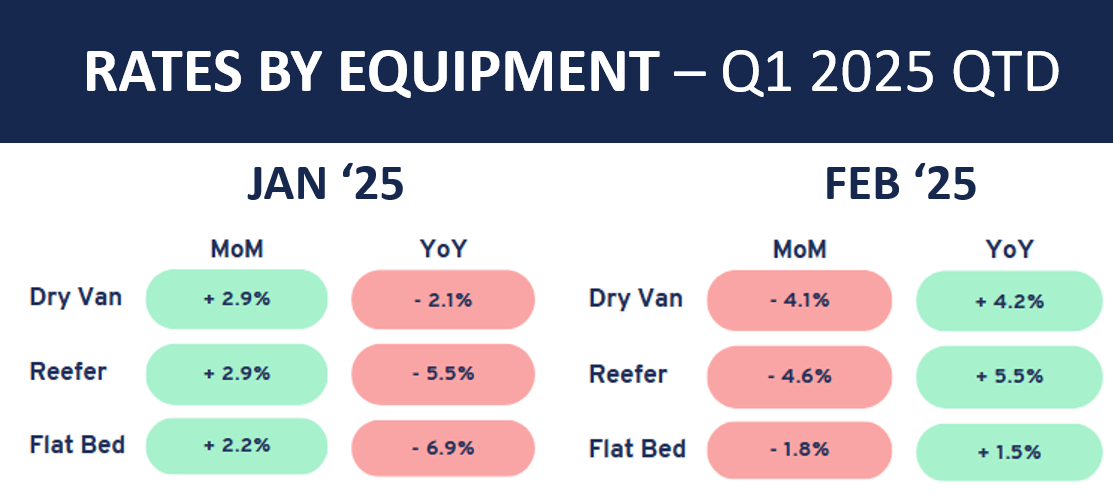
Rates Simmer Down: According to OTR Solutions, rates cooled from their January highs, a predictable seasonal shift following the storm-driven volatility of early Q1.
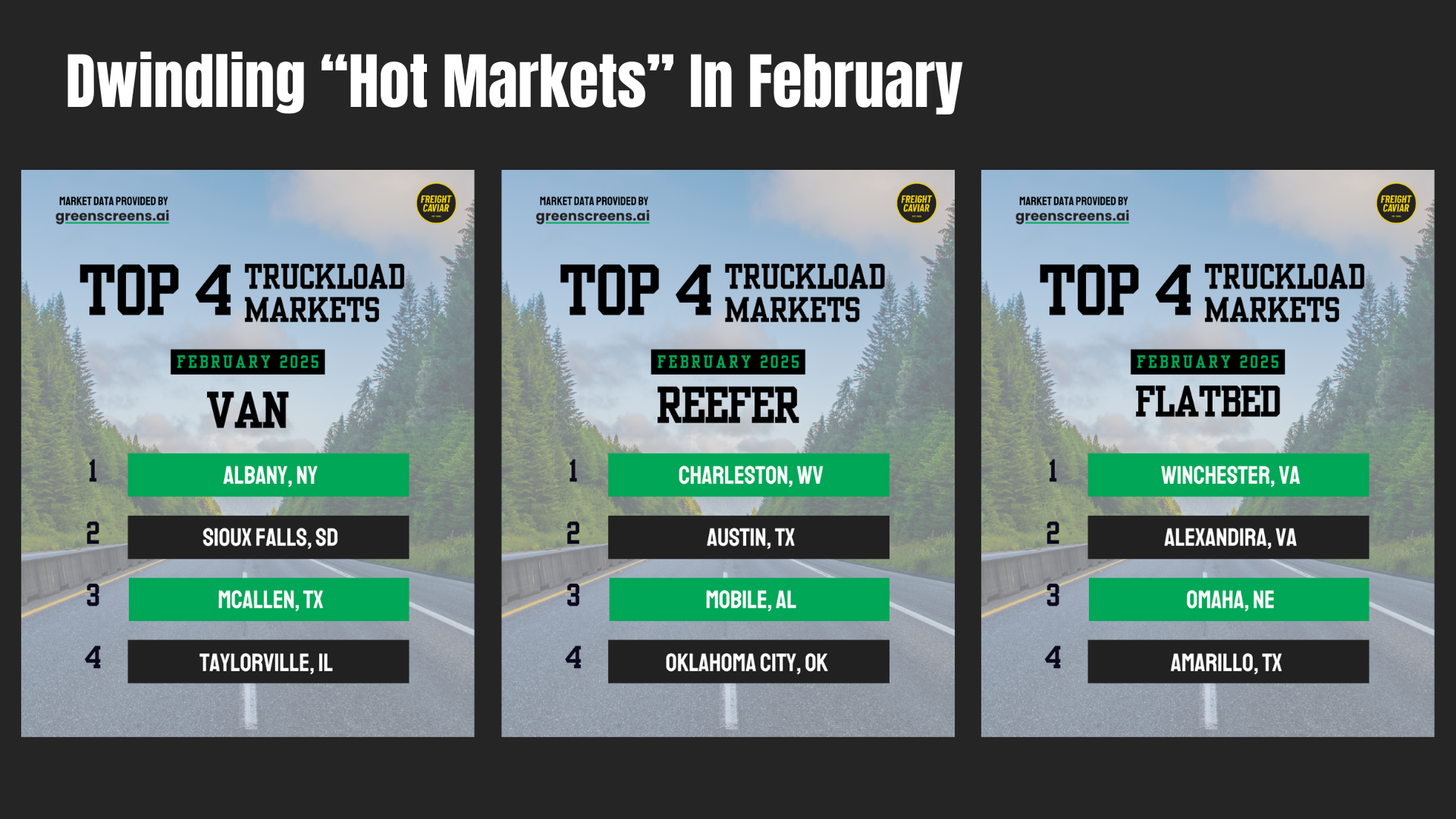
No ‘Hot’ Markets in February:Greenscreens.ai data reveals that no truckload markets were hot enough to make their usual “high-demand” list last month, signaling an industry still waiting for its next big push.
Tariff Impact Lingering: The front-loading of freight ahead of Trump’s new tariffs on Canada, Mexico, and China may have contributed to the temporary slowdown.
March Signals Produce Season’s Kickoff
Now, attention turns to produce season, which is expected to boost reefer demand and impact rates in major agricultural regions.
Whether you’re a freight broker strategizing lanes or a shipper securing capacity, knowing where the action is will help you stay ahead.
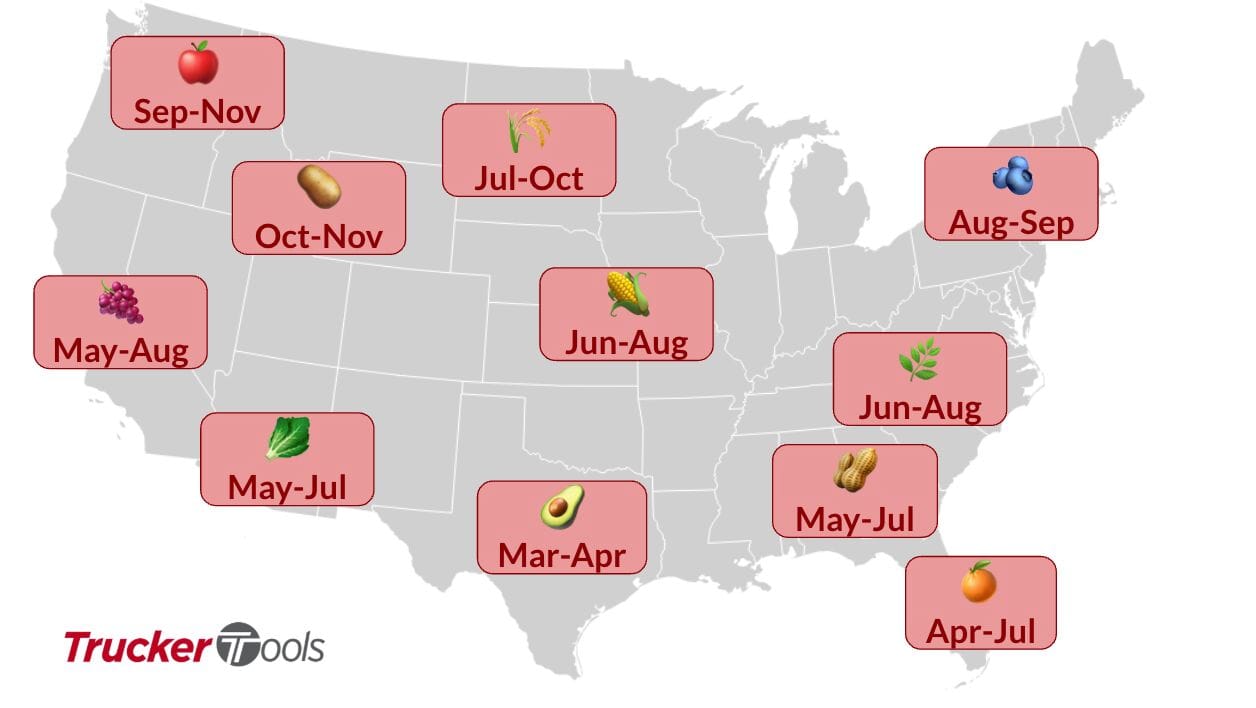
Kary Jablonski of Trucker Tools shared a helpful map showing where and when things will heat up.
Key Harvesting Regions to Watch:
Florida: In addition to oranges (Apr-Jul) and strawberries (Dec-Mar), Florida’s bell pepper supply is strong, with promotable volumes available, according to Del Monte’s report.
Texas: Peaches and grapefruit remain key commodities, but avocado market fluctuations from Mexico could impact reefer demand if growers limit supply to prevent price drops.
California: Strawberries are peaking in April, but lettuce and leafy greens remain abundant, with good quality across the board.
Arizona:Lettuce supply remains high, but seasonality will start to shift harvesting to California in the coming months.
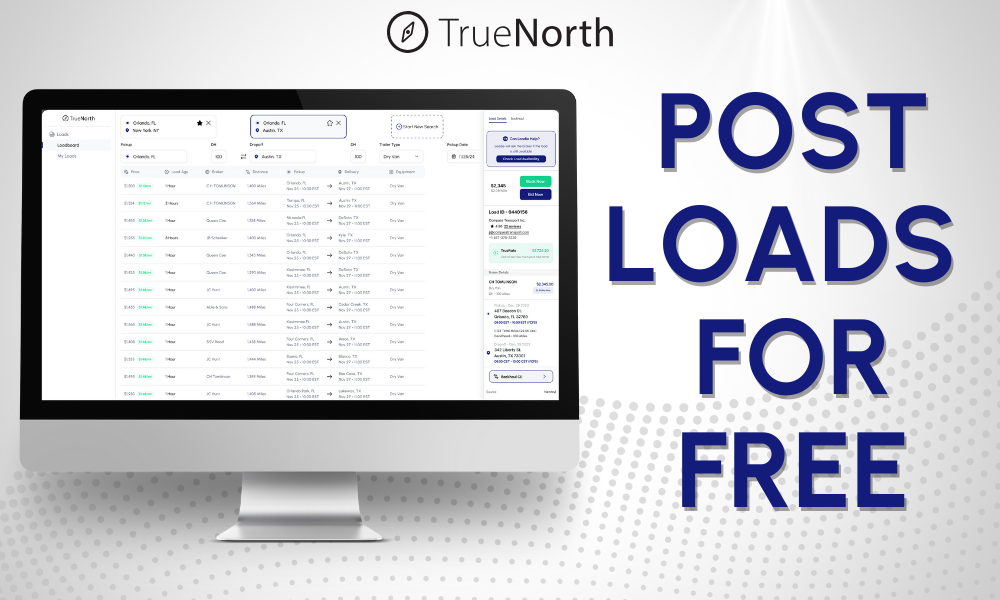
At TrueNorth, we make posting loads easy – and free!
Our introductory package for brokers allows for unlimited posting to our loadboard at no charge. And our advanced packages–including hosting your own private platform–mean you’ll never want another loadboard again.
We’re already a FreightTech 100 Winner for top loadboards with reach to 50,000+ carriers, and we’re just getting started...
Contact us today for a demo and set up your free load postings in a snap.
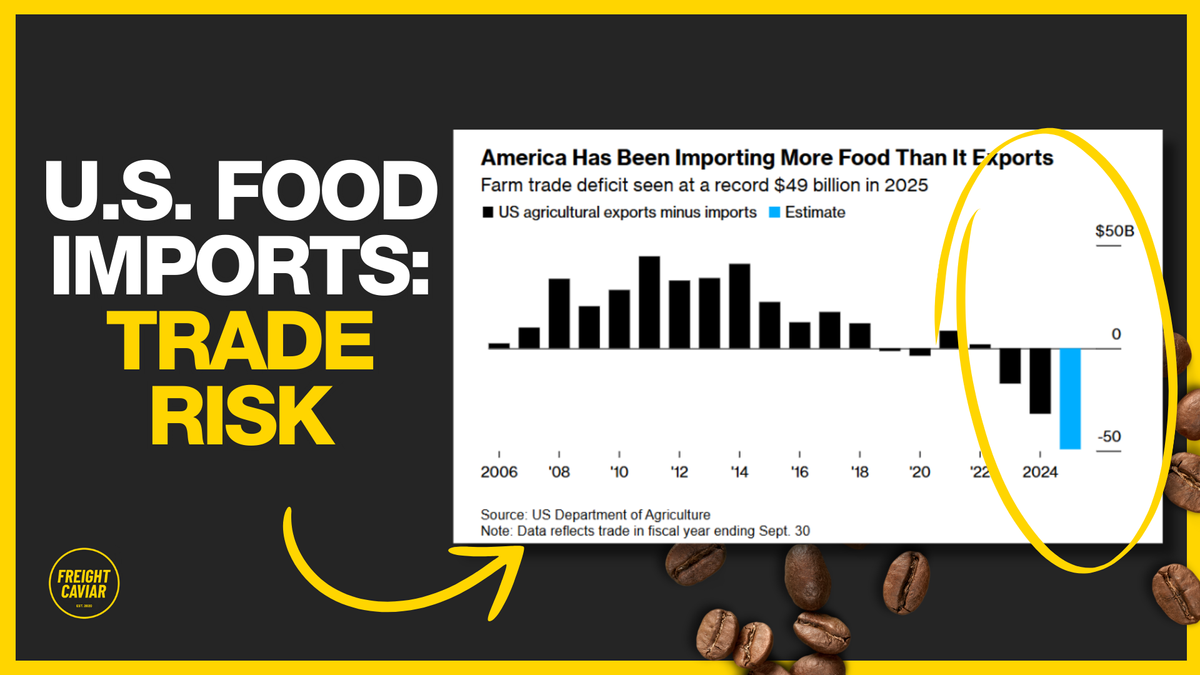
China’s tariffs on U.S. agricultural goods could create domestic supply gluts, particularly for fruit and citrus—which could lead to short-term freight disruptions.
Avocados and berries are key U.S. imports from Mexico. With Mexico imposing retaliatory tariffs of its own, cross-border trade could experience pricing pressure.
Strawberries, which are seeing strong supply from Baja, Oxnard, and Florida, may face shifting demand dynamics if Chinese buyers pull back on U.S. fruit imports.
So, it's clear that the macroeconomic environment deserves attention. We'll take a closer look in the next section.
Where Retaliatory Tariffs Could Hit Produce Shipping
While produce season traditionally tightens reefer capacity, China’s newly imposed tariffs on U.S. agriculture could add another layer of disruption.
Beijing’s response to Trump’s trade moves includes new tariffs on key American exports, including soybeans, wheat, meat, and fruit.
Exports May Slow Down: With increased tariffs, some U.S. agricultural products may face weaker demand from China, potentially leading to excess supply in domestic markets. This could create short-term shifts in freight flows as producers look for alternative buyers.
Domestic Distribution Shifts: If exports decline, more produce may stay within U.S. borders, leading to different distribution patterns. Freight demand could spike on domestic lanes as growers redirect shipments to retailers and food service suppliers instead of international markets.
Cross-Border Volatility: Tariff-related uncertainty with Mexico and Canada may also complicate trade, especially for perishable goods that rely on smooth cross-border logistics.
With produce surging, expect tightening capacity and rate hikes on lanes tied to harvesting regions:
Florida → Northeast: Citrus and berries bound for Pennsylvania, New York, and New Jersey.
Texas → Midwest: Peaches and grapefruit headed for hubs like Chicago and Kansas City.
California & Arizona → Nationwide: Lettuce and strawberries supplying retailers coast to coast.
How Brokers Can Stay Competitive
Secure Capacity Early: Reefer demand spikes as produce moves—if you’re not planning ahead, you’re already behind.
Diversify Your Carrier Network: Brokers who lean too heavily on a small carrier base may struggle as markets tighten.
Watch Regional Weather: Droughts, freezes, or excessive rain can shift harvesting windows and disrupt expected freight flows.
Monitor Export Volume Changes: If exports to China slow, domestic freight lanes could see higher-than-expected produce volume.
Stay Flexible on Lanes: Carriers may shift capacity away from international-heavy markets like the Pacific Northwest and California if Chinese demand drops.
Watch for Market Shifts: If tariffs on U.S. farm goods reduce shipments abroad, brokers could see lower outbound rates but tighter regional demand for domestic reefer lanes.
Looking Ahead: Will Produce Season Jumpstart the Market?
If history is any indicator, produce season should drive freight activity upward, especially in the reefer sector.
However, macroeconomic pressures—ranging from interest rates to ongoing tariff battles—will continue to shape the broader freight environment.
I’m Adriana, a writer and editor at FreightCaviar. I’ve covered everything from freight tech to industry lawsuits and market shifts, helping scale us to almost 14K subscribers. My goal: to make logistics stories digestible, clear, and fun to read.
Two bills just dropped in the Senate that could reshape trucking faster than anything since deregulation. Plus: Russian hackers targeted your load board, flatbed rejection rates just hit 40%, and a robot is taking the Houston-Dallas overnight run.
This week: The Dalilah Law, a trucking bankruptcy that wiped out thousands overnight, a FreightGuard civil war on Reddit, and the payroll data that's predicting Q4 capacity.
Indiana pulled the trigger on carriers employing illegal CDL holders. Plus: tariff ruling could flood LA with imports, DC finally moves on double brokers, spot rates are outrunning contract, and more.
Keep up with the freight broker world in 5 minutes.
Join over 14K+ subscribers to get the latest freight news and entertainment directly in your inbox for free. Subscribe & be sure to check your inbox to confirm (and your spam folder just in case).