The Supreme Court just heard arguments in the broker liability case we’ve been tracking. Plus: oil shipping costs explode, trucking insurance is stuck in 1980, regulators brace for a carrier crackdown, and more.
Tucker Carlson’s nicotine brand loses 378,000 tins in a cargo theft. Plus: produce rates reset, diesel climbs, and a bill that could pull hundreds of thousands of drivers off the road.
Good Morning & Happy MLK Day. The deadline to file comments on the proposed broker transparency regulation has passed, and as President Trump assumes office today, the industry is wondering which direction policies will sway.
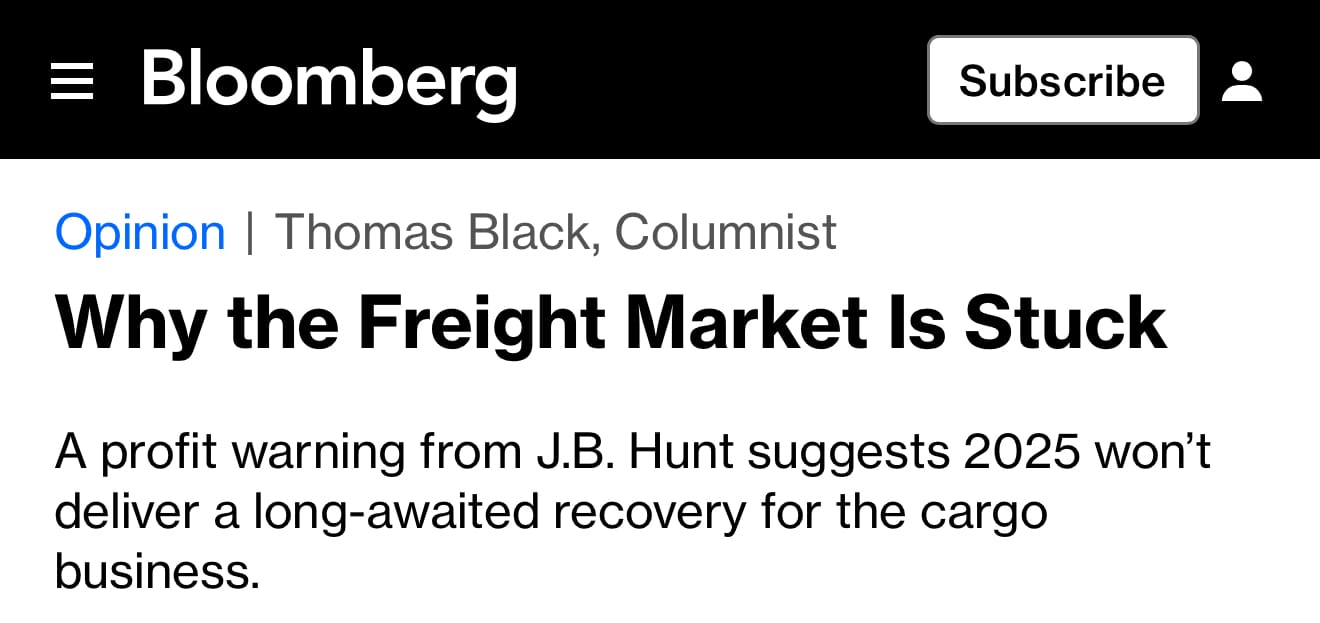
😔 Freight Market Recovery Stalls Again, J.B. Hunt Warns.J.B. Hunt signals continued freight market struggles into 2025, delaying a long-anticipated recovery to 2026. Persistent issues include sluggish US manufacturing, surplus trucking capacity, and potential risks like tariffs, inflation, and geopolitical tensions. The company's Q1 earnings forecast—a 20-25% drop in operating income—set a cautious industry tone, pushing cargo stocks lower. Despite near-term challenges, J.B. Hunt is positioning itself for eventual growth, with investments in technology and fleet expansion with the aim of “coming out of the freight recession from a position of strength,” per the words of CEO Shelley Simpson. Uncertainty, however, clouds the timing of recovery.
📈 Freight Trends: Import Growth and Trucking Dominance. In 2024, US ports experienced recordimport activity, handling 25.6 million TEUs—a 15.2% YoY increase. This surge was primarily driven by preemptive measures to mitigate potential disruptions from East and Gulf Coast labor strikes. While slower demand growth is anticipated for 2025, early-year imports are expected to rise, with the exception of February. Concurrently, the trucking industry maintained its dominance, managing 72.7% of freight tonnage in 2024. Projections indicate steady growth, with freight tonnage expected to increase by 1.6% in 2025 and reach nearly 14 billion tons by 2035. Trucking revenue is forecasted to climb to $1.46 trillion by 2035.
🏛 Truckers Urge Trump to Halt Speed-Limiter Mandate.A coalition of trucking and business groups, including the OOIDA, has urged President Donald Trump to rescind the Federal Motor Carrier Safety Administration’s proposed speed limiter rule. The mandate, which limits heavy-duty commercial vehicles over 26,000 pounds to a federally set speed, is criticized for potentially reducing road safety by creating dangerous speed differentials, hindering driver recruitment, and slowing freight movement. Initially shelved during Trump’s first term, the rule was revived in 2022. The coalition argues the mandate would negatively impact truckers, small businesses, and the supply chain, urging immediate deregulatory action.
Looking to reduce the costs of back-office operations like invoice processing or dispatch planning? Or do you need IT experts to improve your systems?
Experience the perfect blend of European work ethic and cost-efficiency tailored for American transportation companies. Optimize your team, reduce expenses by 45% and more, and drive your logistics business forward with AmeriPol's innovative outsourcing solutions.
Trump’s Inauguration Puts Carrier-Broker Contracts Back in the Spotlight
As President Donald Trump returns to the Oval Office today, the trucking industry is closely monitoring potential policy shifts affecting broker-carrier relationships. A recent FreightWaves article highlights the rising tensions as carriers, brokers, and regulators brace for the next round of debates.
The Transparency Tug-of-War
Flashback to Trump’s first term: he openly supported truckers protesting alleged broker price gouging and lack of transparency. Now, with the Owner-Operator Independent Drivers Association (OOIDA) still pushing for reforms, the pressure is mounting.
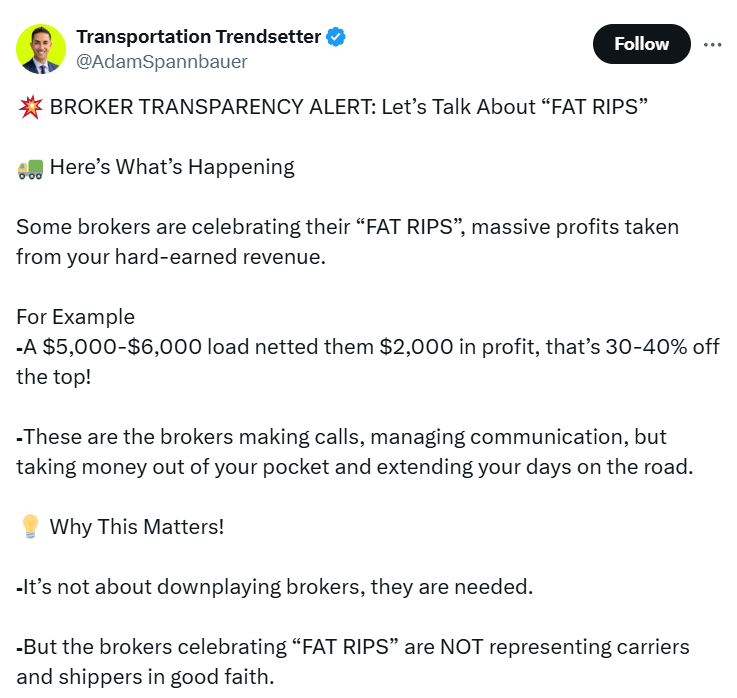
Transportation expert Adam Spannbauer says brokers celebrating and advising "fat rips" are one of the reasons greater transparency is needed. Image Source: Transportation Trendsetter/X
Broker transparency isn’t a new issue, but the FMCSA’s recent push for stricter regulations—like requiring brokers to electronically record transactions and provide access to carriers within 48 hours—has brought tensions to a boiling point.
Carrier Concerns: Groups like OOIDA argue these changes are overdue, the group states: "For years, OOIDA has been fighting against unequal broker rules. The current system hurts small businesses and gives shady brokers an unfair advantage."
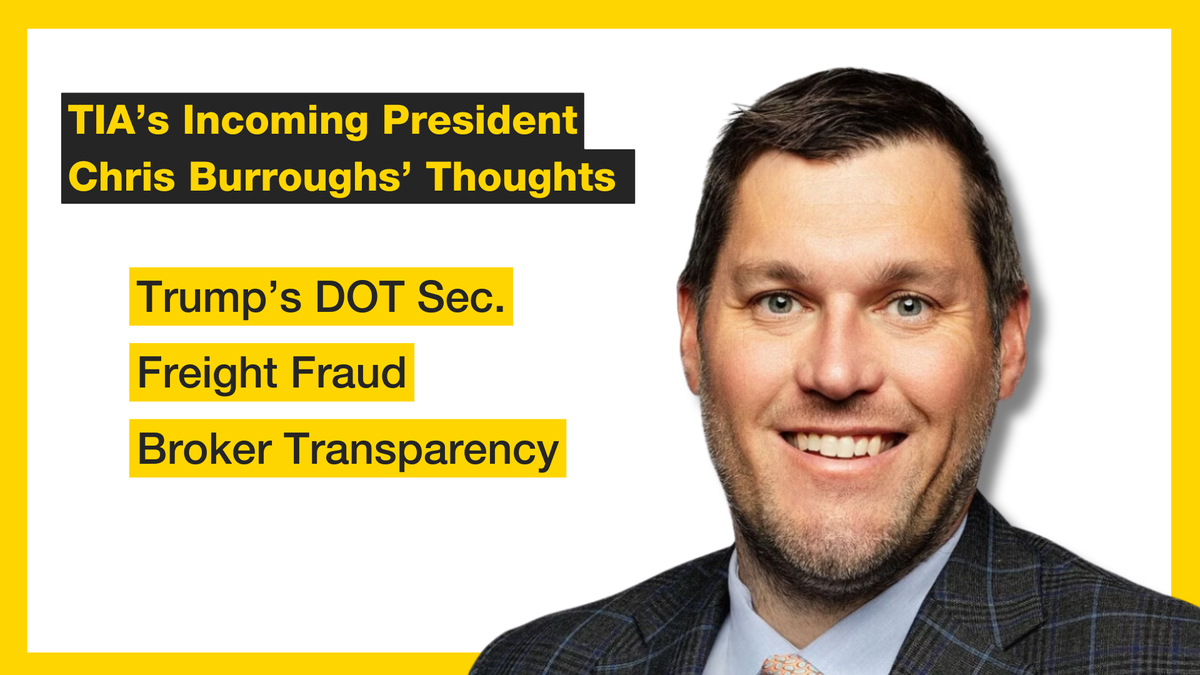
Broker Pushback: The Transportation Intermediaries Association (TIA), representing brokers, warns these rules could backfire. During a recent media call, TIA President Chris Burroughs described the compliance burden as a “logistical nightmare,” especially for brokers working with thousands of carriers. TIA advocates for keeping the government out of private broker-carrier contracts.
Operational Strain: Handling thousands of carrier requests for transaction records could cripple operations.
Contract Conflicts: Sharing transaction details could breach shippers' non-disclosure agreements, especially in federal contracts.
Market Risks: Brokers warn these rules could undermine free-market principles, likening it to forcing retailers to disclose wholesale prices.
What the Data Says
Ken Adamo of DAT Freight & Analytics adds more nuance to the debate. His analysis shows that while broker margins average 12-18%, outlier cases of high (or negative) margins occur in fewer than 2.5% of loads. Adamo cautions that the FMCSA’s proposals could trigger unintended consequences:
Market Consolidation: Higher compliance costs may push smaller brokers out of business, leaving large players to dominate.
Fraud and Breaches: Increased data handling could heighten risks of cyberattacks and expose sensitive transaction details.
Trump’s New DOT Leader
Trump’s pick for Secretary of Transportation, Sean Duffy, is taking the wheel at a pivotal moment. Known for his focus on infrastructure and deregulation, Duffy has pledged to ensure the U.S. transportation sector remains competitive. But his stance on broker transparency and other freight policies remains unclear.
What It Means for Brokers and Carriers
So, what’s next? A few possibilities:
Rule Reforms: Trump could dust off old transparency proposals, giving carriers more leverage in rate negotiations.
Broker Resistance: Brokers are likely to push back hard, warning of higher costs and market disruption.
Market Shakeups: If transparency rules tighten, expect shifts in broker-carrier dynamics and how freight is priced.
With FMCSA proposals on the table and Trump’s administration poised to weigh in, the fight over broker transparency is far from over. For carriers, this could mean greater insight into transactions. For brokers, it’s a potential operational and contractual minefield.
It’s never too late to make a change in the direction of your career. Whether you want to grow your business or set out on your own with a Freight Agency, the logistics industry is a great place to grow your career.
Surround yourself with a support system – friends, family, and colleagues – that will support your goals and hold you accountable.
Freight Agents that join the Trinity Logistics Agent division have one thing in common – they all wish they had made the jump sooner. Having a company like Trinity behind you helps propel your success.
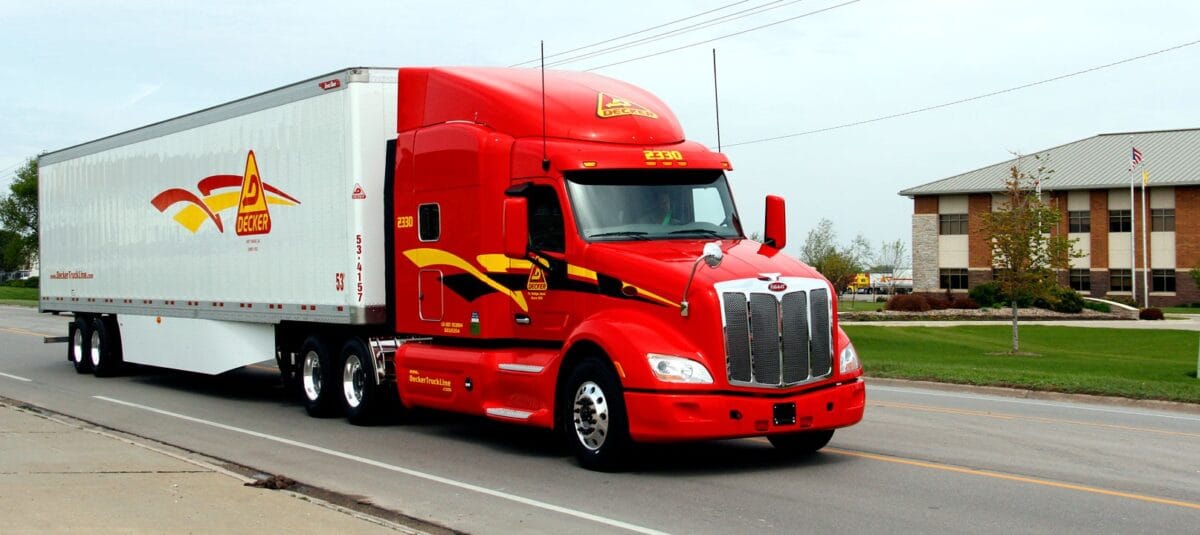
🚫 Making Adjustments. Decker Truck Line has shut down its terminal in Montana, eliminating around 18 positions, due to the “changing freight network patterns” and costs of operating a full terminal that wasn’t being “utilized sufficiently.”
🛢️ Diesel Fraud. Authorities charged dozens in a $3.4 million diesel theft scheme. Using credit card skimmers, suspects cloned cards to buy fuel, loaded it into modified vehicles, and sold it to trucking companies and fuel providers across states.
⚡ Electric Future. Illinois commits $100 million for an electric truck charging corridor, with Tesla securing $40 million for its advancements in sustainable freight solutions.
🤖 Symbotic Boost. Symbotic will acquire Walmart’s robotics business for $200 million, strengthening Walmart’s automation and supply chain capabilities, with a $520 million development program funded by Walmart, including $230 million at closing.
🎣 THE FREIGHT CAVIAR CORNER
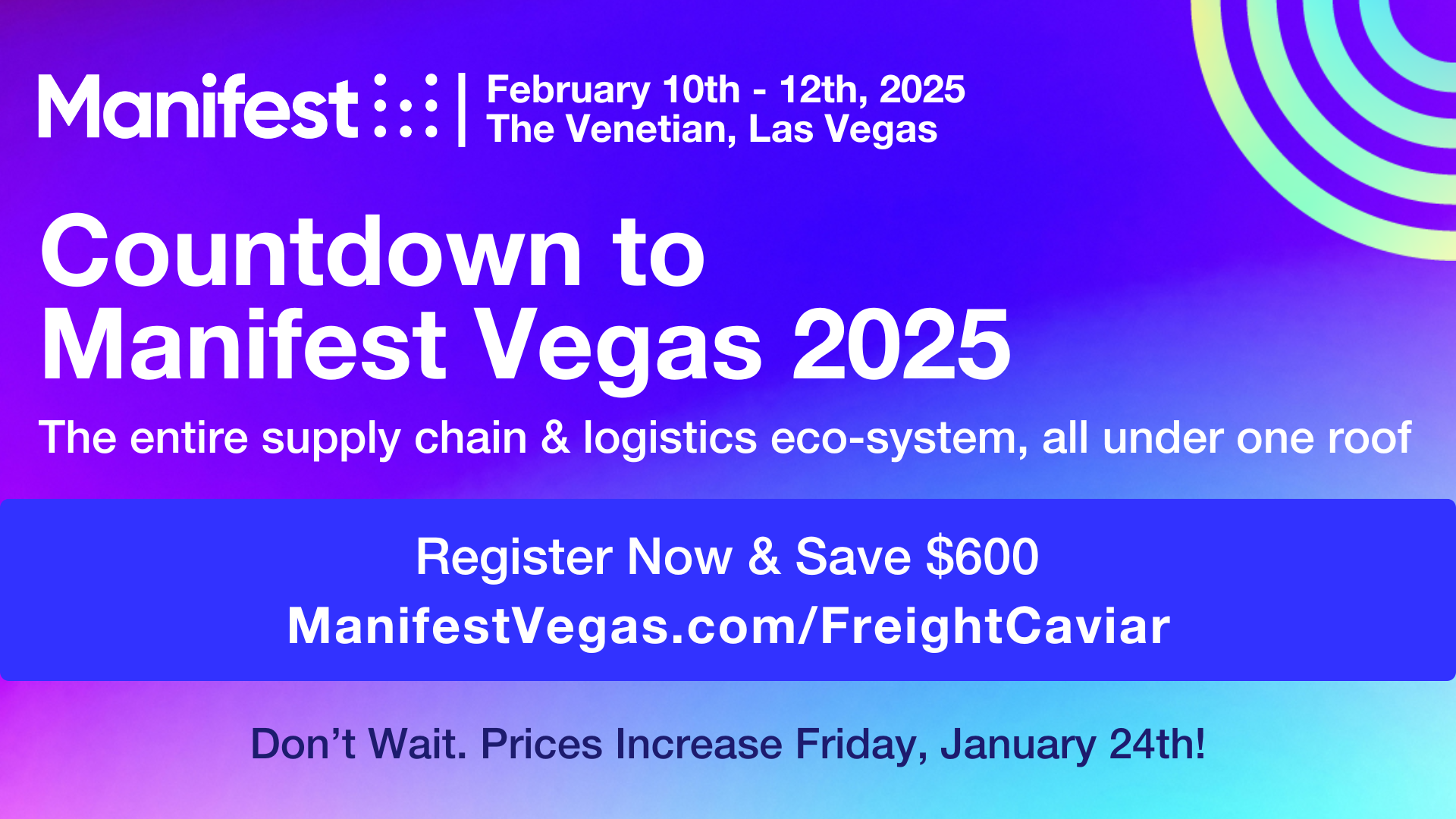
Conferences: Time is running out! In less than a month, Manifest: The Future of Supply Chain & Logistics will bring together 6,000+ attendees and 350+ speakers across 150+ sessions in Las Vegas for the industry’s most anticipated event. Save $200 on the current registration rate ($600 off on-site) here.
FreightCaviar Podcast: This week on The FreightCaviar Podcast, NFL start turned Brokerage CEO Desmond Clark shares how outsourcing, mindfulness, and smart strategies transformed his business. Catch it now on YouTube, Spotify, or Apple Podcasts.
Find Shippers Fast: Looking for customers? Check out Shipper CRM, the world's largest shipper database, and apply for access here.
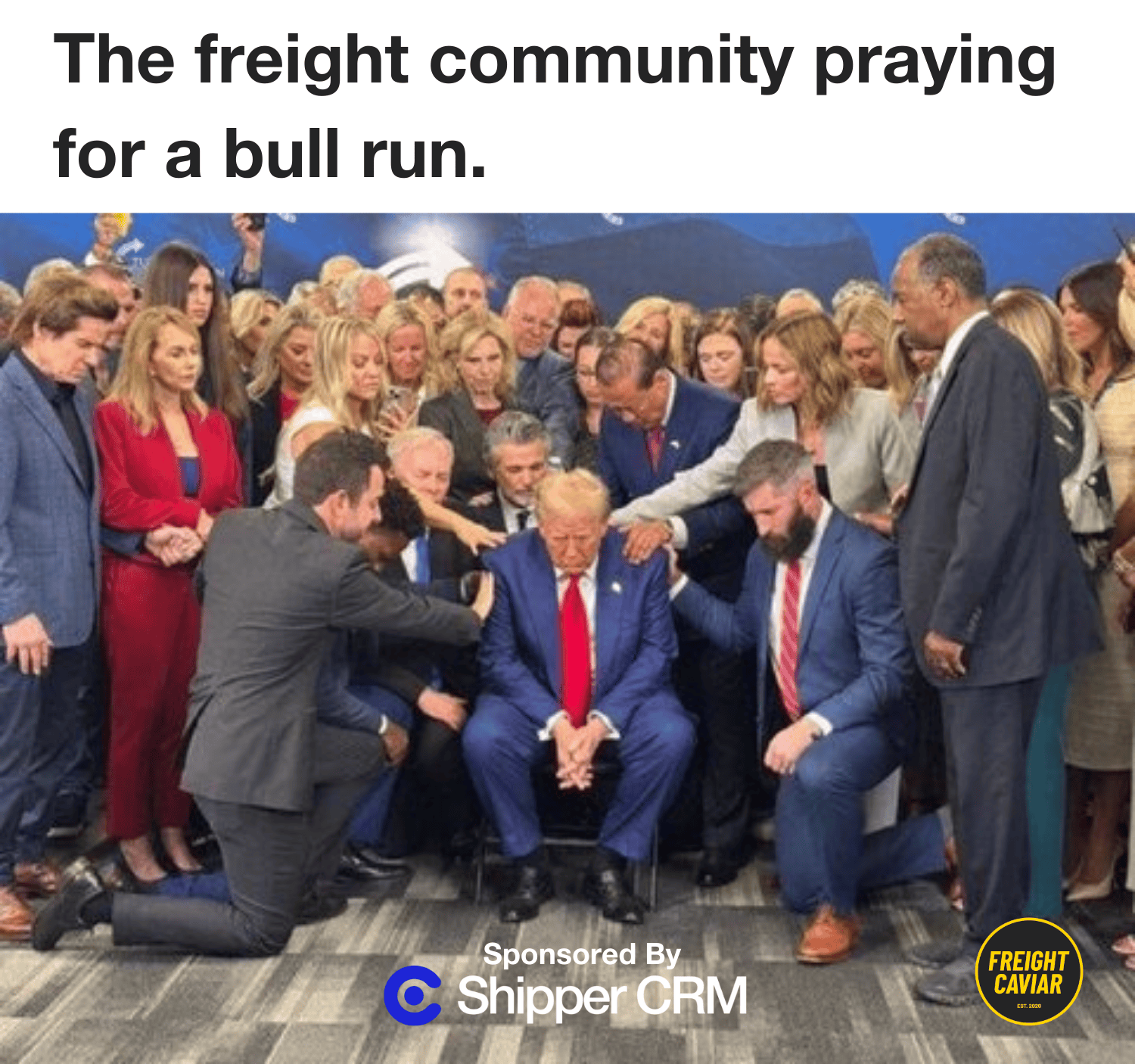
FREIGHT MEME OF THE DAY
Today's meme is brought to you by Shipper CRM, a FreightCaviar product.
I’m Adriana, a writer and editor at FreightCaviar. I’ve covered everything from freight tech to industry lawsuits and market shifts, helping scale us to almost 14K subscribers. My goal: to make logistics stories digestible, clear, and fun to read.
Hello! I'm Jerome FreightCaviar! I’m into the politics of freight and the impact it will have worldwide. I'm always eager to learn more. Follow me on X @JeromeFreightC
The Supreme Court just heard arguments in the broker liability case we’ve been tracking. Plus: oil shipping costs explode, trucking insurance is stuck in 1980, regulators brace for a carrier crackdown, and more.
Tucker Carlson’s nicotine brand loses 378,000 tins in a cargo theft. Plus: produce rates reset, diesel climbs, and a bill that could pull hundreds of thousands of drivers off the road.
The Middle East crisis is already hitting carriers. Plus: Florida lost $3B in crops, flatbed rates posted a fifth straight weekly increase, a $5B brokerage was just acquired, and more.
Keep up with the freight broker world in 5 minutes.
Join over 14K+ subscribers to get the latest freight news and entertainment directly in your inbox for free. Subscribe & be sure to check your inbox to confirm (and your spam folder just in case).